
Repository Radar - PR#10
Keeping an eye on the world of OSS software - one scan at a time


Welcome to PR#10 of Repository Radar - your no-fluff scan of open-source software infrastructure. This week, we zoom in on Postgres. Following Snowflake’s acquisition of Crunchy Data, the OSS world is regrouping around new infrastructure standards. Elsewhere, multi-agent stacks, AI observability, and programmable markets are gaining traction. Let’s dive in. 📡📦
📡 ABOVE THE RADAR (aka the BFD)
In “above the radar” we take a look at some of the big splash software infrastructure announcements and go on the hunt for OSS that are similar.
This week, we once again speak about M&A of major players and seek open-source alternatives.
The infrastructure stack for AI is increasingly being built on Postgres, and the big players know it. Just two weeks ago, Snowflake acquired Crunchy Data, one of the most respected commercial vendors in the Postgres ecosystem. Crunchy is best known for its enterprise-grade Kubernetes operator, backups, HA tooling, and containerization - all focused on making Postgres easier to scale and maintain in production.
It’s a clear move by Snowflake to strengthen its open-source data story and get closer to developers building data-intensive apps. But it also leaves a gap - as one commercial steward consolidates, the open-source community steps forward.
🐘 CloudNativePG (GitHub) 6.1k ☆ – A Kubernetes-native PostgreSQL operator for scalable, declarative database clusters

The Scoop: CloudNativePG is a CNCF sandbox project originally driven by EDB. Designed with GitOps and cloud-native principles, it provides lifecycle management, backups, high availability, and failover for Postgres inside Kubernetes. With Snowflake’s acquisition of Crunchy Data creating a shift in the ecosystem, CloudNativePG is positioned as the community’s reference implementation for Postgres on Kubernetes.
Why It's a Big Deal:
CNCF Backing - Hosted as a sandbox project in the CNCF under a neutral governance model.
Resilient Architecture - Supports synchronous replication, automated failover, and point-in-time recovery out of the box.
Production Proven - Runs in large-scale environments at enterprises and in public cloud deployments.
Under the Hood:
CRD-Driven - Uses Kubernetes Custom Resource Definitions (CRDs) to represent Postgres clusters, replicas, backup policies.
Streaming Replication - Built-in support for synchronous and asynchronous streaming replication between pods.
Continuous Backups - Supports S3- and GCS-compatible object storage for WAL archiving and snapshots.
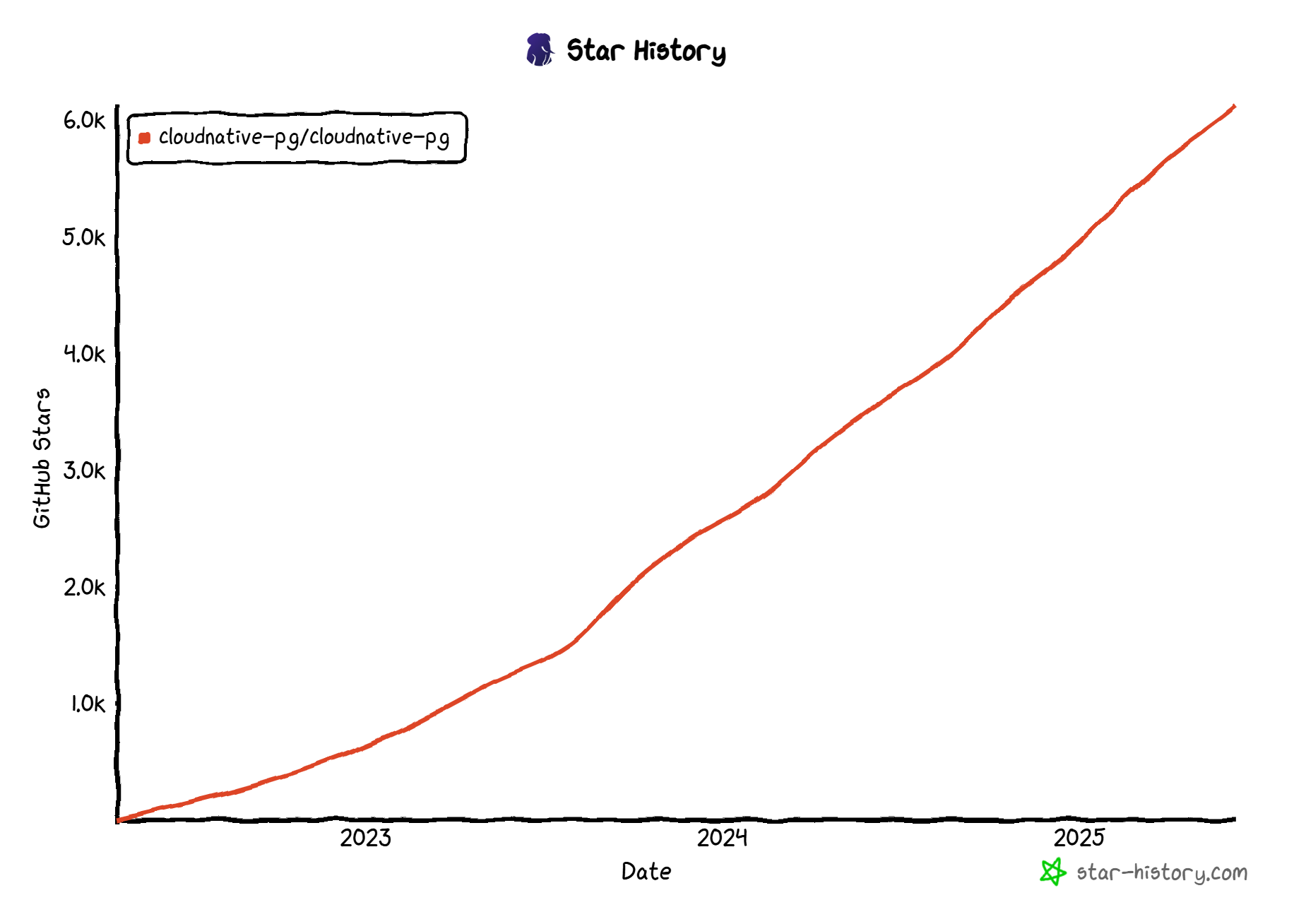
CloudNativePG sits at the intersection of Postgres reliability and Kubernetes automation. As Crunchy Data is absorbed into Snowflake, CloudNativePG stands out as the leading open-source choice for teams that want Postgres resilience without any potential proprietary lock-in.
🔭 ON THE RADAR
Stuff that’s hot and is trending at over 10K stars.
🤖 Agent Zero (GitHub) 9.5k ☆ – Multi-Agent Framework with a Web UI
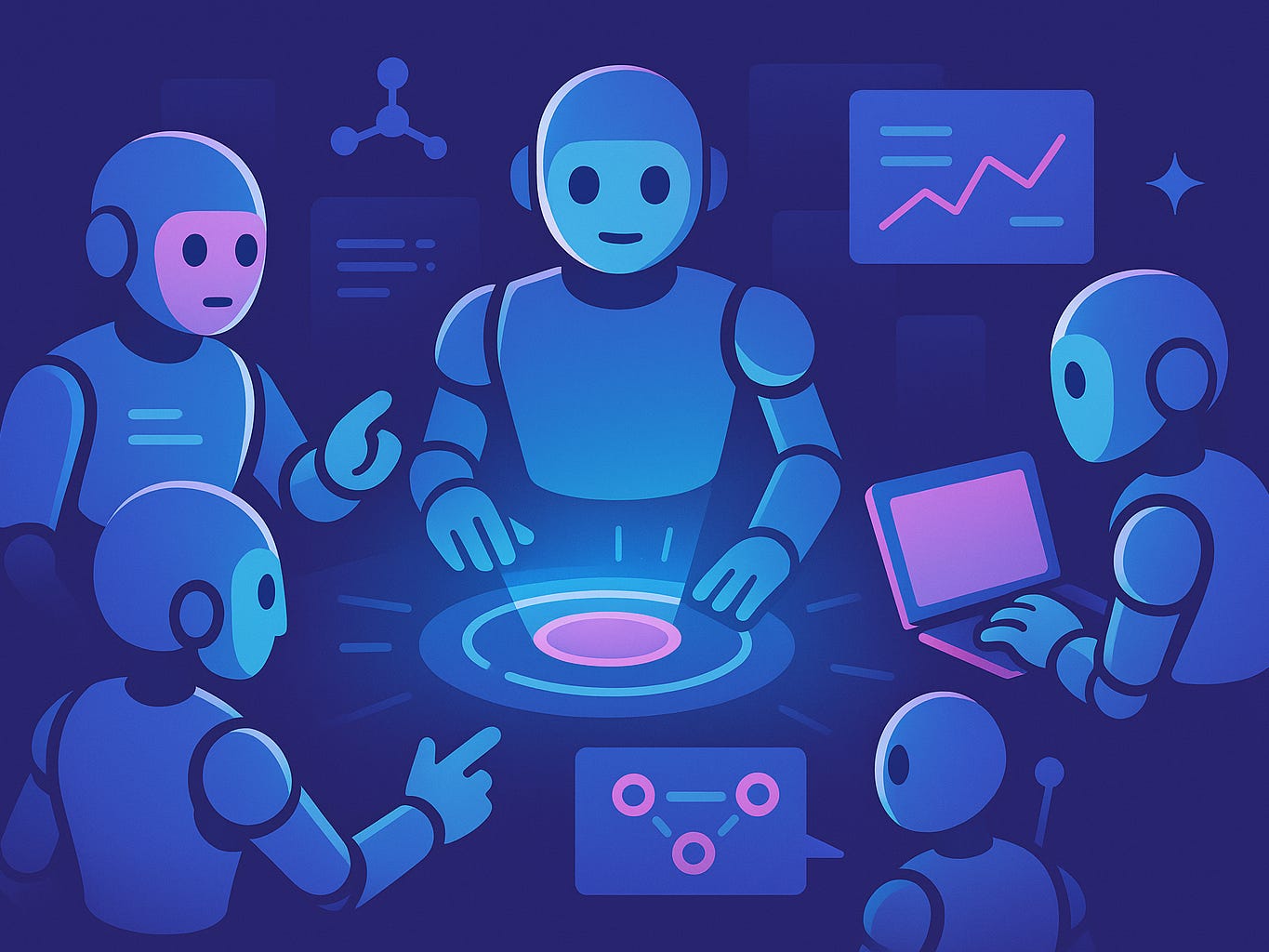
The Scoop: Agent Zero is a Python-based multi-agent framework for building ecosystems of AI agents that communicate, delegate tasks, and collaborate via shared tools. It includes a local-first web UI for human-in-the-loop supervision and fine-grained agent control.
Why It's a Big Deal
Built-in memory and scratchpads - Supports LLM-based memory, task graphs, and tool plugins.
Tool integrations - Out-of-the-box agents for browser control, file system operations, RAG pipelines.
Web UI - Enables real-time inspection of agent state and workflows, aiding development and debugging.
Under the Hood
Python core - Uses FastAPI as backend and SvelteKit for frontend UI.
LLM integration - Works with LangChain and local LLMs like Ollama, allowing flexibility in model choice.
Local-first approach - Can run fully locally for privacy and offline development.
Agent Zero sits at the sweet spot of developer-friendly agent orchestration - combining the accessibility of a visual UI with code-level customization. As AI applications grow more complex, frameworks like Agent Zero are key to making multi-agent, RAG-powered systems usable and maintainable in production.
🪿 Goose (GitHub) 14.3k ☆ – On-machine AI agent for end-to-end development automation
The Scoop: Goose is an open-source, extensible AI agent that automates complex development tasks from start to finish. More than just code suggestions, Goose can build entire projects from scratch, write and execute code, debug failures, orchestrate workflows, and interact with external APIs autonomously. It adapts to diverse engineering pipelines, enabling developers to prototype ideas, refine existing code, and manage intricate processes with minimal manual effort.
Why It's a Big Deal
Any LLM support - Works with any LLM provider or model, letting teams choose for performance, cost, or privacy.
Desktop and CLI modes - Available as a desktop app and as a CLI tool, fitting into various developer workflows.
Flexible integration - Seamlessly integrates with MCP servers and CI/CD pipelines for scalable execution.
Under the Hood
Modular architecture - Core agent engine with plugins for code execution, testing frameworks, API interactions, and more.
Lead/worker model pattern - Use a powerful model for planning and complex reasoning, then switch to a faster or cheaper model for execution automatically.
Any LLM integration - Abstracted interfaces allow swapping between providers and models without code changes.
Goose represents a new frontier in developer productivity, automating not just code completion but entire engineering workflows. As teams adopt AI agents, Goose’s flexibility and extensibility make it a powerful companion for moving faster and focusing on innovation.
🎨 Onlook (GitHub) 17.9k ☆ – he cursor for designers: a visual-first AI code editor for building React apps
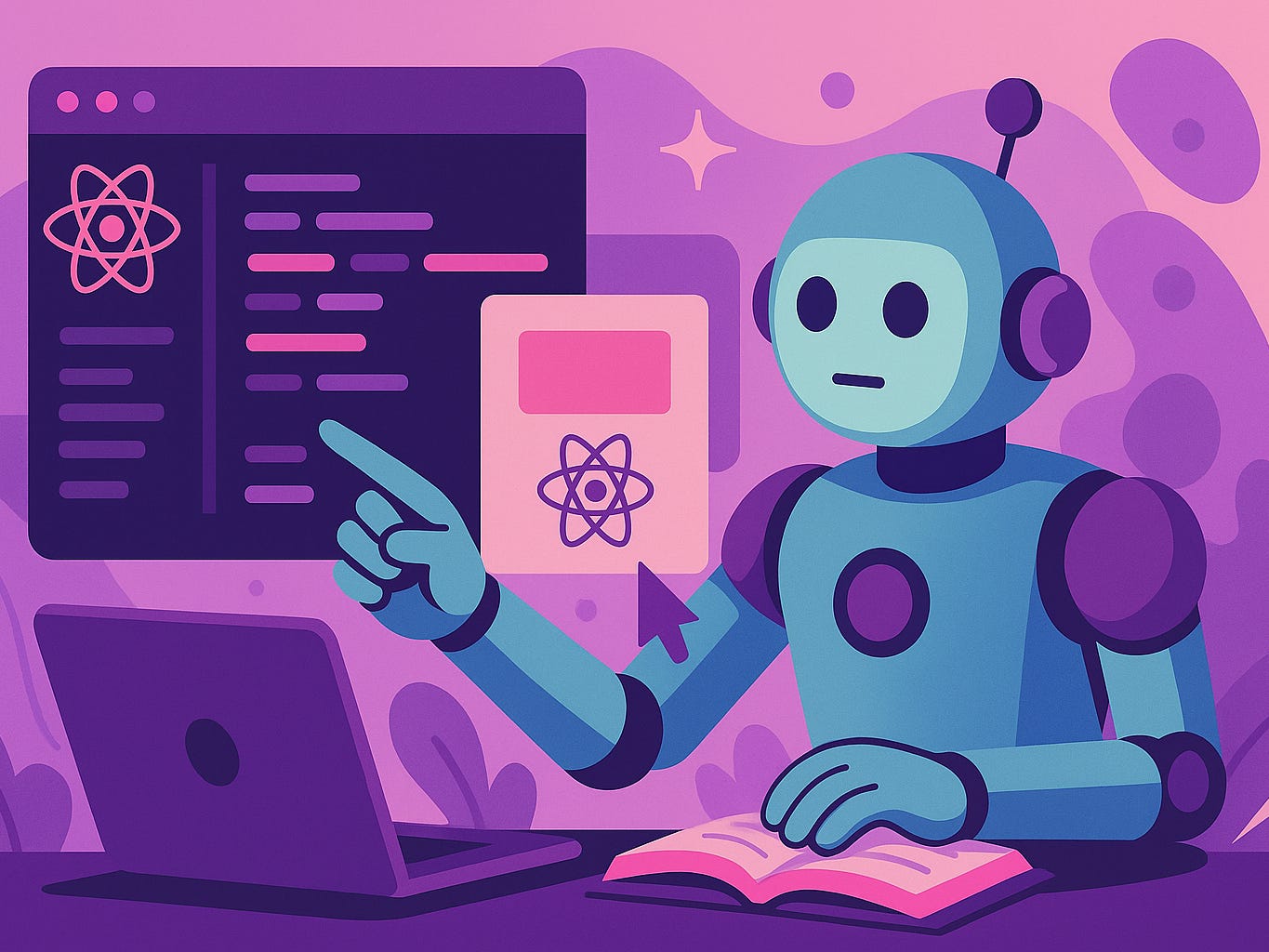
The Scoop: Onlook is an open-source, AI-powered code editor that brings visual design workflows to React development. With a Figma-like UI and real-time code mapping, it lets you create, edit, and style Next.js apps directly in the browser. It’s positioned as an open alternative to tools like V0, Bolt.new, and Replit Agent.
Why It's a Big Deal
Visual DOM editing with real-time code sync and Tailwind styling.
AI assistant for prompt-to-app generation, editing, and layout suggestions.
Import from Figma, GitHub, or templates for fast prototyping.
Under the Hood
Built with Next.js, TailwindCSS, and tRPC, backed by Supabase and Bun.
Web container-based architecture with live iframe previews and smart code mapping.
Supports collaborative editing, commenting, and sharable preview links.
Onlook brings AI-native tooling to frontend workflows, letting teams design and build visually without sacrificing code quality or flexibility. It bridges the gap between no-code speed and developer control.
🔬 BELOW THE RADAR
Our hot picks for recent OSS projects to keep a close eye on for the future.
🗃️ Cognee (GitHub) 5.2k ☆ – Visual memory for local AI assistants

The Scoop: Cognee is a local-first memory system that gives AI agents visual recall. It stores conversations, screenshots, documents, and outputs as traceable memory entries, enabling agents to reference and learn from past interactions. With semantic search and a timeline-based UI, Cognee makes long-term, human-readable memory practical for local LLMs.
Get started: You can install Cognee using either pip or clone the repo.
pip install cognee⚙️ TensorZero (GitHub) 6.1k ☆ – The LLMOps Feedback Loop for Production AI Systems
The Scoop: TensorZero is an open-source framework for building and optimizing production-grade LLM applications. It unifies inference (via a fast gateway), observability, prompt optimization, model evaluations, and experimentation — enabling your app to get smarter over time using real user feedback. Built for scale, written in Rust, and backed by top-tier OSS investors.
Get started: Install the Python SDK and run your first inference with a single call.
pip install tensorzero📊 TradingAgents (GitHub) 2.2k ☆ – Open multi-agent RL simulation for markets

The Scoop: TradingAgents lets you simulate agent-based markets using reinforcement learning and custom trading strategies. Designed for studying price dynamics, market making, and liquidity under controlled conditions, it’s a valuable tool for researchers in finance and AI. Compatible with Gymnasium, PettingZoo, and Ray for scalable experimentation.
Get started: Clone the repo and run a sample multi-agent market simulation.
git clone https://github.com/TauricResearch/TradingAgents.git
cd TradingAgentsRepository Radar is brought to you by Alexander, a Partner at Picus Capital, and Claudius, an Investor there. In this Substack, we focus on software infrastructure and open-source innovation in AI and beyond, tracking major trends while uncovering the hidden gems shaping the future of technology.