
Repository Radar - PR#24
Keeping an eye on the world of OSS software - one scan at a time


Welcome to PR #24 of Repository Radar - your no-fluff scan of open-source software infrastructure. This end-of-year edition closes out 2025 with a look back at the forces that shaped the open-source ecosystem over the past twelve months. It also sets the frame for where open source, AI, and software infrastructure are heading next.
We started Repository Radar in February this year with a simple goal: provide a sharp, no-noise scan of open-source software infrastructure and the forces shaping it. Over the course of 2025, we published 24 PRs in a steady bi-weekly cadence, covering everything from foundational data and infra projects to fast-moving AI tooling and under-the-radar developer primitives. The mission has stayed constant throughout the year: surface the projects that matter, explain why they matter, and connect them to the broader shifts in how software is built, deployed, and owned. As open source keeps accelerating, the need for clarity, context, and technical grounding has only increased, and that remains exactly what Repository Radar is here to provide. Along the way, the Repository Radar community grew significantly, with more readers, builders, and operators engaging, sharing, and pointing us toward the next wave of important work. We are genuinely grateful to everyone who followed along, sent feedback, and helped sharpen the signal.
We have always covered open-source infrastructure and developer tooling broadly, from core data systems to emerging primitives. In 2025, however, one theme clearly dominated everything else: the re-centering of control in an AI-first world. Open-source projects moved decisively from experimentation into production relevance, especially across AI infrastructure. Coding agents became the clearest signal of this shift: tools for code generation, completion, refactoring, and workflow automation saw explosive growth, with traffic concentrating around a small group of leaders while a long tail of OSS experimentation continued underneath. Alongside this rapid progress, the market has been increasingly preoccupied with a broader question: is AI in a bubble? From an open-source vantage point, the picture is rather clear. Valuations for closed-source platforms increasingly reflect aggressive assumptions about future defensibility and durable moats, and parts of the proprietary AI stack do show signs of speculative excess. At the same time, demand itself is very real, and it is most clearly visible in open source. Projects like llama.cpp became default infrastructure for running frontier and near-frontier models locally, embedding themselves as dependencies across countless apps and stacks rather than destination products. nanoGPT continued to serve as a foundational learning and experimentation repo, shaping how an entire generation of engineers understands and builds language models, with sustained traction that far outlived its original release cycle. PaddleOCR continued to scale quietly, underpinning document processing and automation across enterprises, governments, and SMBs, particularly in Asia. Together, these projects illustrate the core dynamic of 2025: any bubble risk sits primarily in valuation narratives and lock-in assumptions, not in the underlying adoption, usage, and sustained traction of the broader technology in general and open-source AI ecosystem specificially itself.
Looking ahead to 2026, that trajectory is unlikely to change. Open source will continue to define the primitives of modern AI systems, especially around agents, local execution, data ownership, and interoperability. We expect further consolidation among widely adopted OSS tools, deeper enterprise adoption of self-hosted and hybrid AI stacks, and increasing pressure on proprietary platforms as developers demand portability and transparency. At the same time, experimentation will remain intense, with new agent abstractions, orchestration layers, and runtime environments continuing to emerge at the edges. Repository Radar will continue to track both sides of this curve in the year ahead, focusing on durable infrastructure and real usage rather than hype cycles alone.
Happy holiday season,
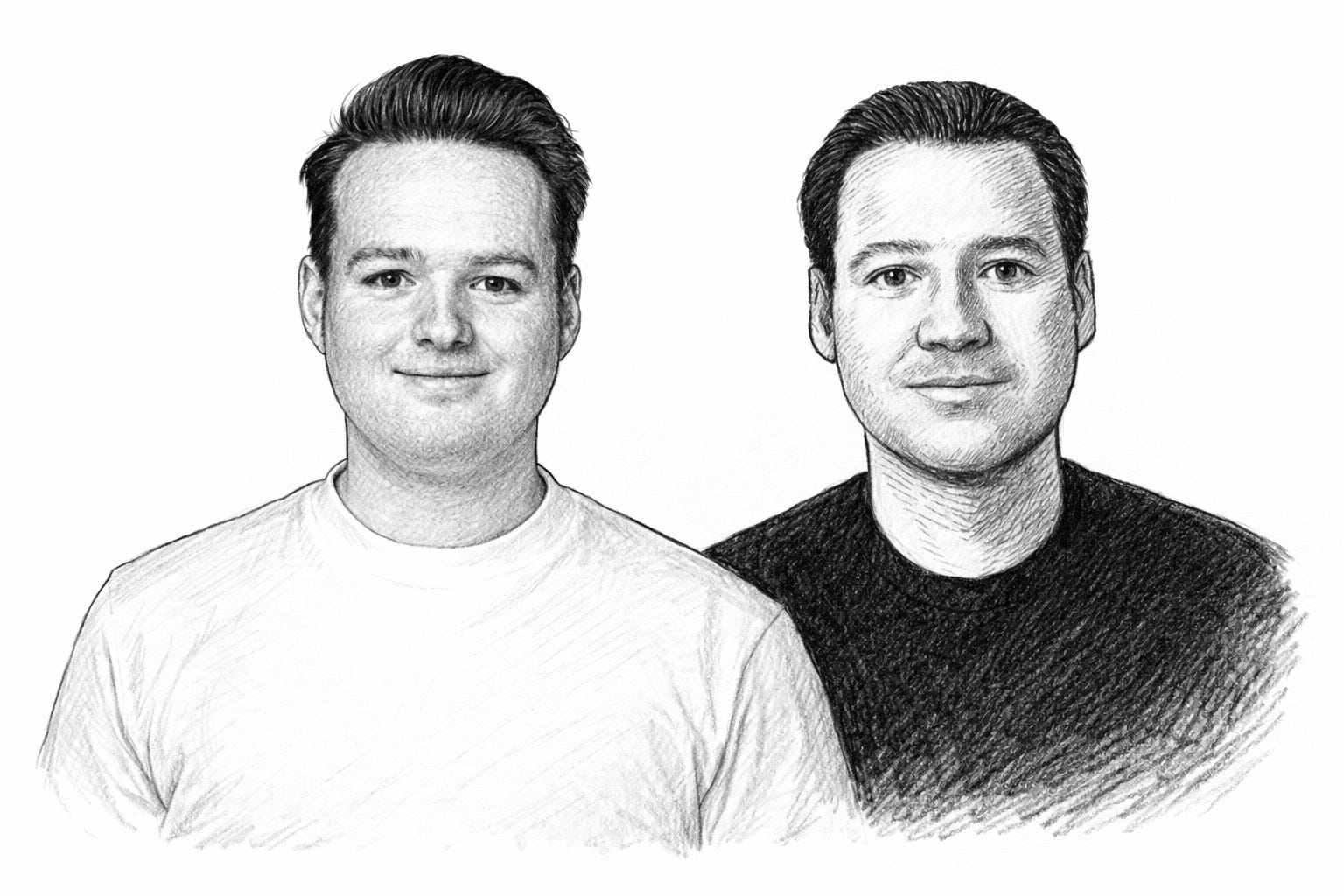
Alexander & Claudius
Repository Radar is brought to you by Alexander, a Partner at Picus Capital, and Claudius, the co-founder of Index Labs. In this Substack, we focus on software infrastructure and open-source innovation in AI and beyond, tracking major trends while uncovering the hidden gems shaping the future of technology.