
Repository Radar - PR#25
Keeping an eye on the world of OSS software - one scan at a time


Welcome to PR #25 of Repository Radar – your no-fluff scan of open-source software infrastructure. This issue lands as Anthropic tightens its grip on who gets to use Claude. In the past seven months, they’ve cut off Windsurf, blocked OpenAI, and revoked xAI’s Cursor access—all while Claude Code crossed $1 billion in run-rate revenue. MCP won the protocol war, but the company that built the standard is now deciding who drinks from the well. The repos this week sit at that fault line: ralph-claude-code automates the “Ralph Wiggum” loops that made Claude Code a phenomenon, chrome-devtools-mcp and claude-code-templates extend MCP’s reach with official Chrome tooling and 100+ community agents, while skypilot, ChatDev, and clawdbot offer escape hatches—multi-cloud orchestration, multi-agent simulation, and self-hosted deployment across every major chat platform. Onlook rounds it out with visual AI editing for the Next.js stack that still dominates vibe-coded apps. The thread connecting them: building on the Claude ecosystem without betting your stack on a single vendor’s mood.
📡 ABOVE THE RADAR (aka the BFD)
In “above the radar” we take a look at some of the big splash software infrastructure announcements and go on the hunt for OSS that are similar.
Anthropic is playing hardball. In the past seven months, they’ve cut off Windsurf, blocked OpenAI’s API access, and just this week revoked xAI employees’ ability to use Claude through Cursor. The pattern is clear: if you’re a competitor—or about to be acquired by one—your Claude access is a liability, not a feature.
The trigger was Claude Code hitting $1 billion in run-rate revenue. What started as a niche terminal tool became a phenomenon, partly thanks to the community-driven “Ralph Wiggum” technique—a brute-force loop that feeds failures back into context until tests pass. Developers started calling it “accidentally AGI.” Anthropic noticed. Now they’re locking down who gets to ride those rails.
This matters because MCP, the Model Context Protocol that Anthropic open-sourced a year ago, has become the de facto standard for AI-to-tool integration. OpenAI adopted it. Google adopted it. Microsoft adopted it. The MCP Registry now lists nearly 2,000 servers. But here’s the tension: Anthropic built the pipes, and now they’re deciding who gets to use the water.
For builders in the Claude Code ecosystem, the message is mixed. On one hand, Anthropic is clearly betting big on developer tooling—Claude Code, the “Code with Claude” conference, HIPAA-ready healthcare integrations. On the other, they’ve shown they’ll yank access with five days’ notice if competitive dynamics shift. Windsurf users learned this the hard way when they woke up to “bring your own key” as their only option.
The repos in this week’s lineup live in that tension. Tools like ralph-claude-code automate the exact loop patterns that drove Claude Code’s breakout. chrome-devtools-mcp and claude-code-templates extend Claude’s reach through the MCP standard Anthropic championed. ChatDev and skypilot offer multi-agent orchestration that doesn’t depend on any single provider’s good graces. And clawdbot lets you self-host across platforms—WhatsApp, Telegram, Discord—so your AI stack isn’t one policy change away from breaking.
The vibe-coding gold rush is on, but the ground is shifting under everyone’s feet. This week’s repos are tools for building on that terrain—whether you’re all-in on Claude or hedging your bets.
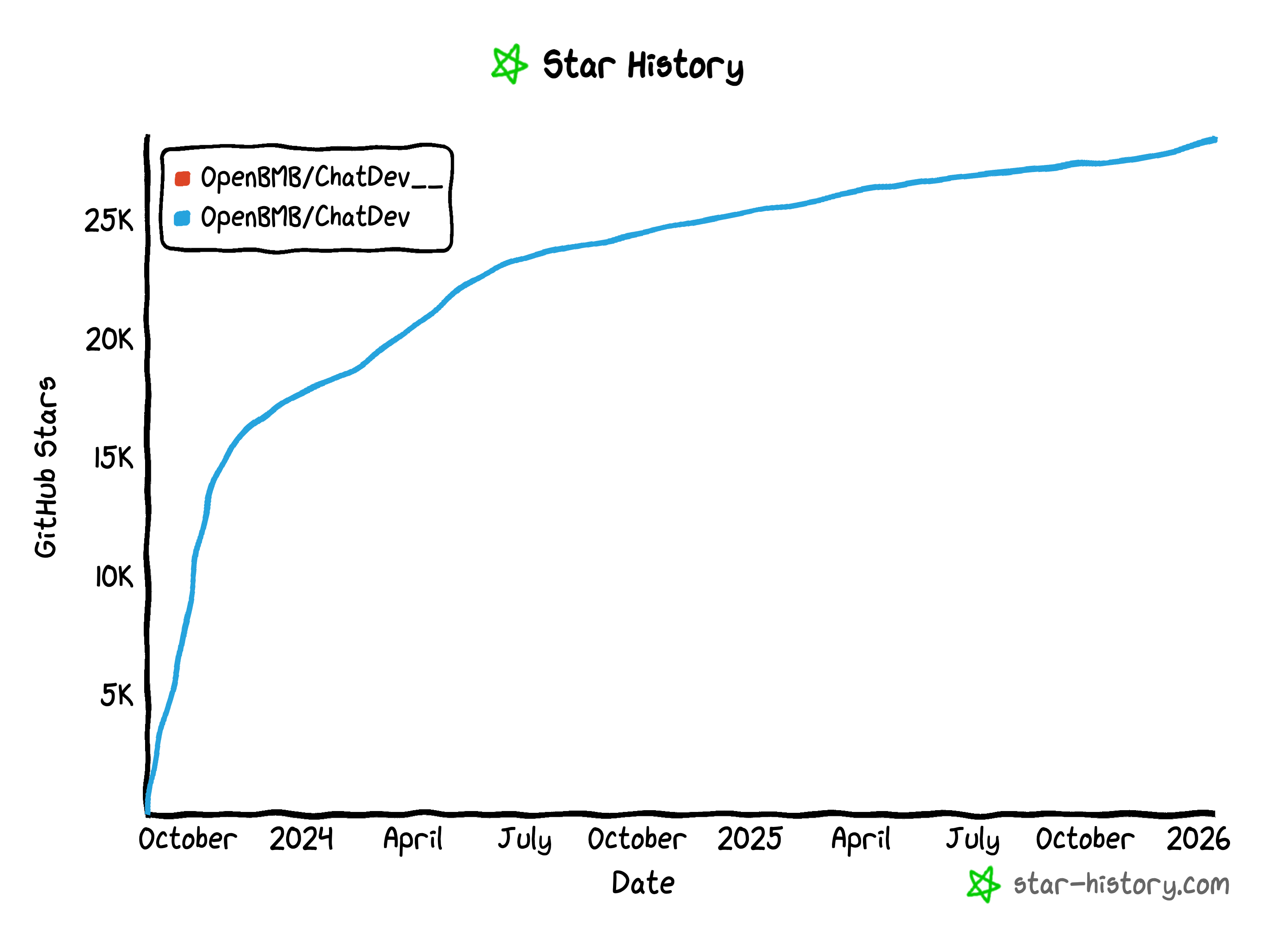
🏢 ChatDev (GitHub) 28.5k ☆ - Virtual software company powered by LLM agents
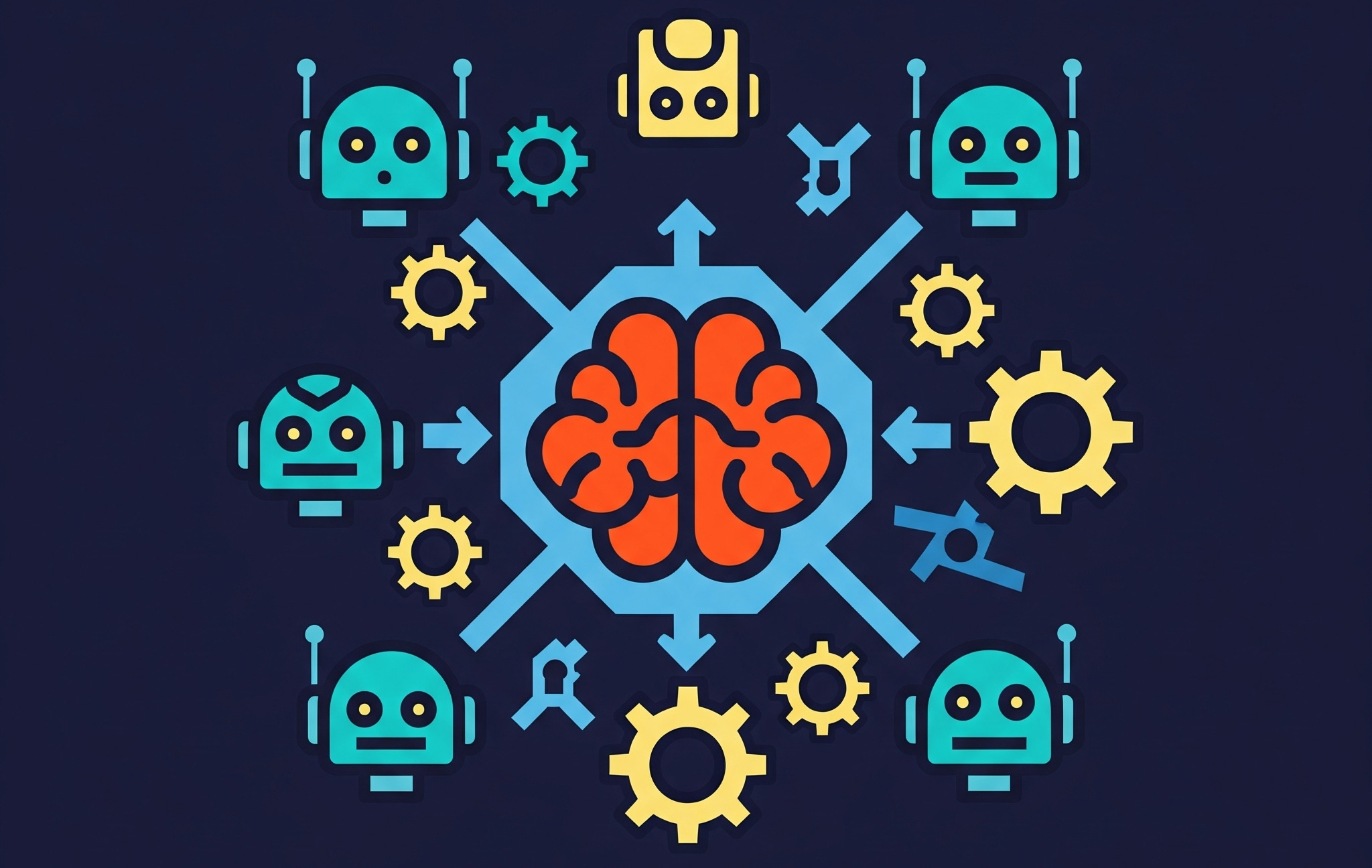
The Scoop: ChatDev simulates an entire software company with AI agents playing roles like CEO, CTO, Programmer, Reviewer, Tester, and Art Designer. Describe your idea in natural language and watch the agents collaborate through functional seminars—designing, coding, testing, and documenting—to produce working software. ChatDev 2.0 (DevAll) now extends this to a zero-code multi-agent orchestration platform for tasks beyond software: data visualization, 3D generation, and deep research.
Why It’s a Big Deal
Research-backed framework with papers accepted at NeurIPS 2025 and ICLR 2025.
Highly customizable: define your own ChatChains, Phases, and agent Roles via simple JSON configs.
Scales to 1,000+ agents via MacNet (directed acyclic graph topologies) without blowing context limits.
Under the Hood
Built in Python with a modular architecture: CompanyConfig defines workflows, PhaseConfig defines steps, RoleConfig defines agents.
Supports OpenAI GPT-4/4o, incremental development on existing codebases, Human-Agent-Interaction mode, and Git version control.
Includes a web visualizer, Docker support, and an Experiential Co-Learning module where agents learn from past tasks.
Get started: Clone the repo, set up Python 3.9+, install dependencies, export your OpenAI key, then run python3 run.py --task "design a 2048 game" --name "2048". Find your generated software in the WareHouse folder.
🔭 ON THE RADAR
Stuff that’s hot and is trending at over 10K stars.
🔧 chrome-devtools-mcp (GitHub) 20.8k ☆ - Chrome DevTools for coding agents

The Scoop: Official MCP server from the Chrome team that gives your AI coding assistant (Gemini, Claude, Cursor, Copilot) full access to Chrome DevTools. Record performance traces and get actionable insights, inspect network requests, take screenshots, check console logs, and automate browser actions with Puppeteer under the hood. Supports headless mode, custom Chrome channels, and connecting to already-running browser instances.
Why It’s a Big Deal
Official Google/Chrome team project—first-party support and reliability.
Works with all major AI coding tools: Claude Code, Cursor, Copilot, Gemini CLI, Windsurf, and more.
26 tools covering input automation, navigation, emulation, performance profiling, network inspection, and debugging.
Under the Hood
Built on Puppeteer for reliable browser automation with automatic wait handling.
Supports headless mode, custom Chrome channels (stable/canary/beta/dev), and WebSocket connections with custom headers.
Can connect to already-running Chrome instances via remote debugging port or auto-connect (Chrome 145+).
Get started: Add to your MCP client config: "command": "npx", "args": ["-y", "chrome-devtools-mcp@latest"]. Then prompt "Check the performance of “https://example.com" and watch it open Chrome and record a trace.
📦 claude-code-templates (GitHub) 15.9k ☆ - Ready-to-use configs for Claude Code
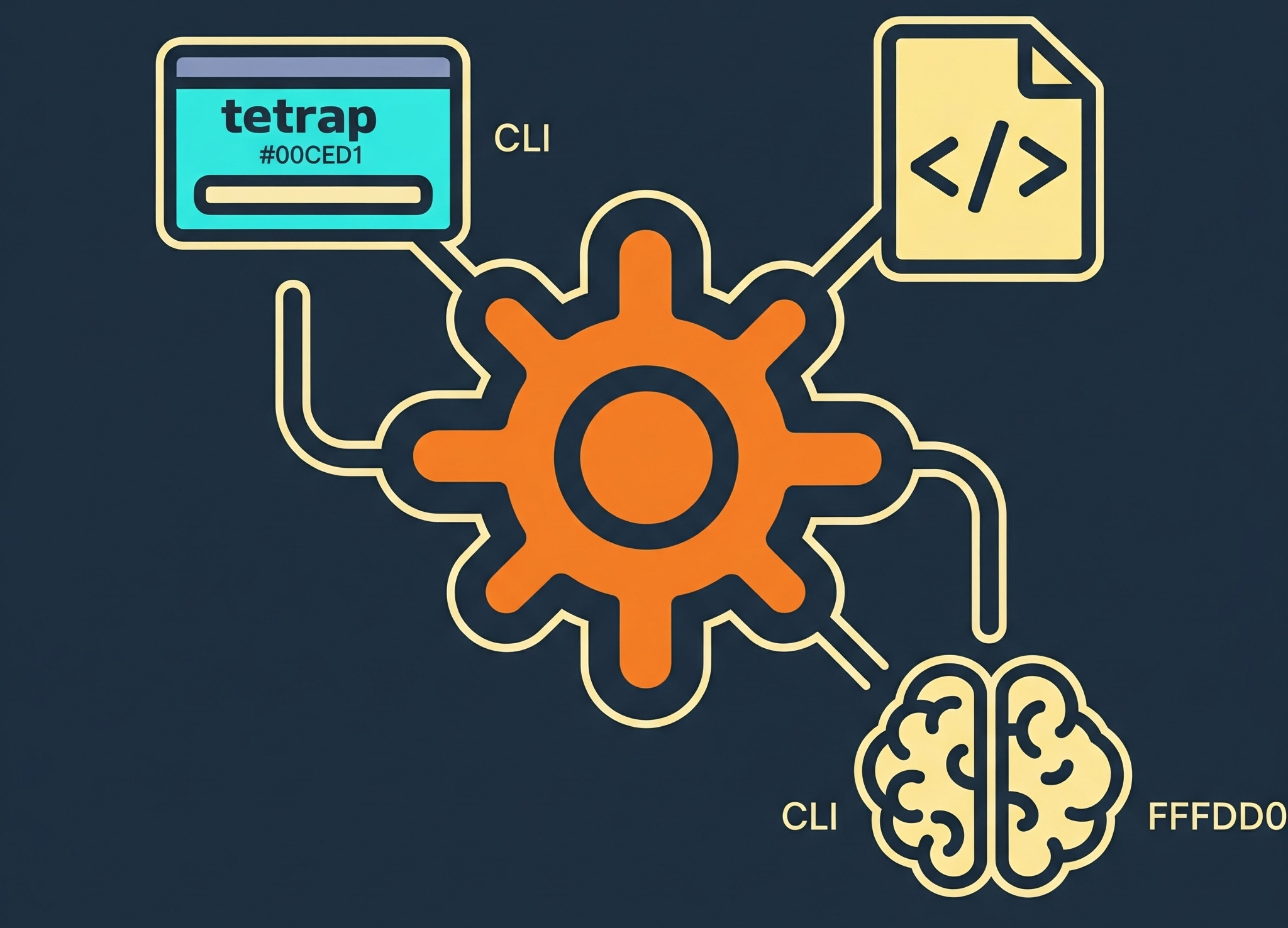
The Scoop: A massive collection of 100+ agents, custom slash commands, settings, hooks, and MCP integrations for Claude Code—all installable via CLI. Browse and install frontend developers, security auditors, performance optimizers, and database architects. Includes built-in tools: session analytics dashboard, real-time conversation monitor, health checks, and plugin management.
Why It’s a Big Deal
One-command installation for pre-configured AI specialists—no manual CLAUDE.md wrangling.
Aggregates community contributions from multiple sources (Anthropic official, K-Dense scientific skills, and community repos).
Interactive web interface at aitmpl.com for browsing before you install.
Under the Hood
Components include agents, slash commands, MCPs (GitHub, PostgreSQL, Stripe, AWS), settings, hooks, and reusable skills.
Conversation monitor supports secure remote access via Cloudflare Tunnel.
Active development with 19 releases and 35 contributors.
Get started: npx claude-code-templates@latest to browse interactively, or install a full stack directly: npx claude-code-templates@latest --agent development-team/frontend-developer --command testing/generate-tests --yes
🎨 onlook (GitHub) 24k ☆ - Visual code editor for React + Tailwind
The Scoop: Dubbed “Cursor for Designers,” Onlook lets you visually build and edit Next.js + TailwindCSS apps in a Figma-like interface while AI writes the code. Create apps from text prompts or Figma imports, drag-and-drop elements directly in the browser DOM, preview code side-by-side, and deploy with one click. Open-source alternative to Bolt.new, Lovable, and V0.
Why It’s a Big Deal
Bridges the designer-developer gap—visual editing that writes real, production-ready code.
Full GitHub integration: import repos, create branches, open PRs directly from the editor.
Open-source under Apache 2.0 with an active YC-backed team hiring in SF.
Under the Hood
Built with Next.js, TailwindCSS, tRPC, Supabase, and Drizzle ORM.
Uses CodeSandbox SDK for dev sandboxes and Freestyle for hosting.
AI powered by OpenRouter and fast-apply models from Morph and Relace.
Get started: Use the hosted app at onlook.com or run locally following the docs. Import an existing Next.js project or start fresh with AI chat.
🔬 BELOW THE RADAR
Our hot picks for recent OSS projects to keep a close eye on for the future.
🔄 ralph-claude-code (GitHub) 2.5k ☆ - Autonomous dev loop for Claude Code
The Scoop: Ralph implements the “Ralph Wiggum” technique for Claude Code—a continuous autonomous development loop that iterates on your codebase until objectives are complete. Features intelligent exit detection (catches “done” signals, task completion, stuck loops), rate limiting with circuit breaker, 5-hour API limit handling, and tmux-based live monitoring. Converts PRDs into prioritized task lists automatically.
Get started: Clone the repo, run ./install.sh, then ralph-setup my-project to scaffold. Edit PROMPT.md with your goals and run ralph --monitor to let it rip.
🦞 clawdbot (GitHub) 3.9k ☆ - Personal AI assistant across all your messaging apps
The Scoop: Clawdbot is a self-hosted AI assistant that connects to WhatsApp, Telegram, Slack, Discord, Signal, iMessage, and Teams through a single Gateway. Runs locally on your devices with Voice Wake, Talk Mode (ElevenLabs), browser control, live Canvas, and agent-to-agent session routing. Built by Peter Steinberger for his space lobster AI “Clawd.” Works on macOS, iOS, Android, Linux, and Windows (WSL2).
Get started: npm install -g clawdbot@latest then clawdbot onboard --install-daemon. The wizard walks you through provider pairing and workspace setup.
☁️ skypilot (GitHub) 9.2k ☆ - Unified AI infrastructure orchestration
The Scoop: SkyPilot lets you run AI workloads across Kubernetes, 20+ clouds, or on-prem using a single YAML config. Define your job once (GPUs, setup, run commands) and SkyPilot handles provisioning, auto-failover on capacity errors, spot instance recovery, and cost optimization. Includes a web dashboard, gang scheduling, and built-in support for vLLM, DeepSpeed, and popular LLM training/serving stacks.
Get started: pip install -U "skypilot[kubernetes,aws,gcp,azure]" then define your task in a YAML file and run sky launch my_task.yaml. SkyPilot finds the cheapest available infra and handles the rest.
Repository Radar is brought to you by Alexander, a Partner at Picus Capital, and Claudius, the co-founder of Index Labs. In this Substack, we focus on software infrastructure and open-source innovation in AI and beyond, tracking major trends while uncovering the hidden gems shaping the future of technology.