
Repository Radar - PR#31
Keeping an eye on the world of OSS software - one scan at a time


Welcome to PR #31 of Repository Radar - your no-fluff scan of open-source software infrastructure. In this issue, we open with the collision of two trends reshaping how developers work: Andrej Karpathy declaring vibe coding passé and naming agentic engineering as its successor, and a 20-year-old Chinese undergraduate securing $4 million in seed funding in 24 hours for a multi-agent simulation engine that hit #1 on GitHub trending. Together they point at the same shift - agents are no longer a demo layer, they are becoming operational infrastructure. From there, we zoom in on the projects building that infrastructure in practice - from MiroFish as a swarm intelligence prediction engine to agency-agents, openscreen, hermes-agent, emdash, fff.nvim, and AI-Scientist-v2.
📡 ABOVE THE RADAR (aka the BFD)
In “above the radar” we take a look at some of the big splash software infrastructure announcements and go on the hunt for OSS that are similar.
PR #31 arrives at the intersection of two trends that the repos in this issue collectively put in sharp relief.
The first trend is what Andrej Karpathy declared passé in February 2026: vibe coding. The term he coined just a year earlier — building with AI by fully giving in to prompts and intuition — has already been superseded in professional discourse by what he now calls agentic engineering: the discipline of orchestrating teams of AI agents that plan, write, test, and ship code under structured human oversight. The shift is not just semantic. Fortune ran a piece this month on the rise of the “Supervisor Class” — developers whose primary value is no longer writing code line by line but orchestrating parallel agent workflows. The emerging job description is Agent Orchestrator, and it is already appearing in real hiring posts. Practitioners running three or four Claude Code, Codex, and Gemini CLI instances in parallel — each in its own git worktree — have given this pattern its own name: agentmaxxing. Tools that help developers manage, coordinate, and review that kind of parallel agent output are now the real infrastructure gap.
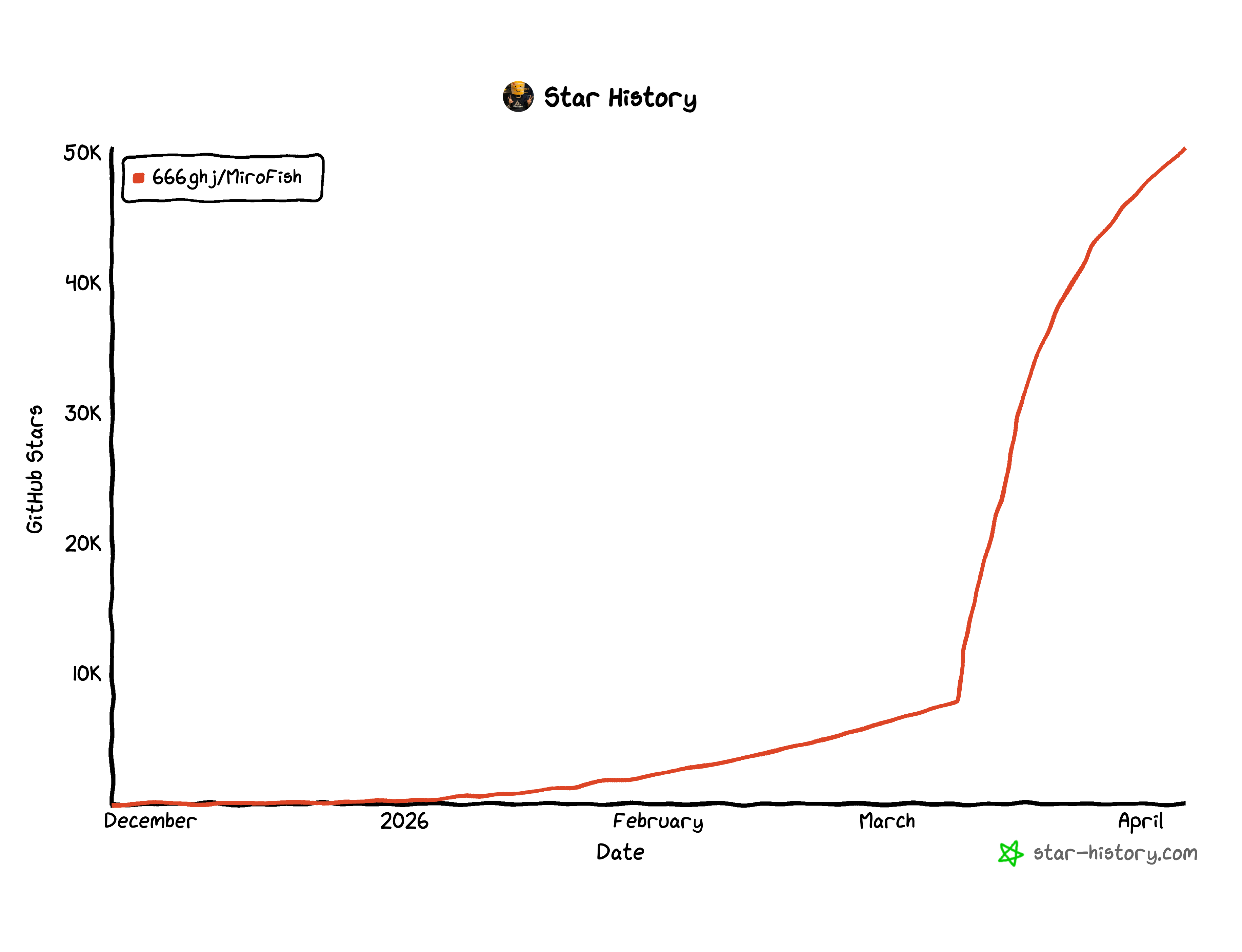
The second trend is that agents are no longer just writing code. They are running experiments, generating research papers, and simulating entire social systems. MiroFish — built in ten days by a 20-year-old undergraduate in China — secured $4.1 million in seed funding from Shanda Group founder Chen Tianqiao within 24 hours of a viral demo, after hitting the top trending spot on GitHub. The project constructs parallel digital worlds populated by thousands of autonomous agents, each with independent personalities, long-term memory, and behavioral logic, then runs social emergence simulations to forecast real-world outcomes. That is a different category of agent use than code generation. It is agents as scientific and analytical infrastructure — predicting public opinion dynamics, financial market reactions, and political scenarios before they happen.
What connects these two trends is a shared architectural bet: that the unit of AI work is no longer the single model call, but a coordinated system of agents operating in parallel on isolated workstreams, integrated by a human (or another agent) acting as orchestrator.
🐟 MiroFish (GitHub) 50.4k ☆ — Multi-agent swarm intelligence engine for predicting real-world outcomes
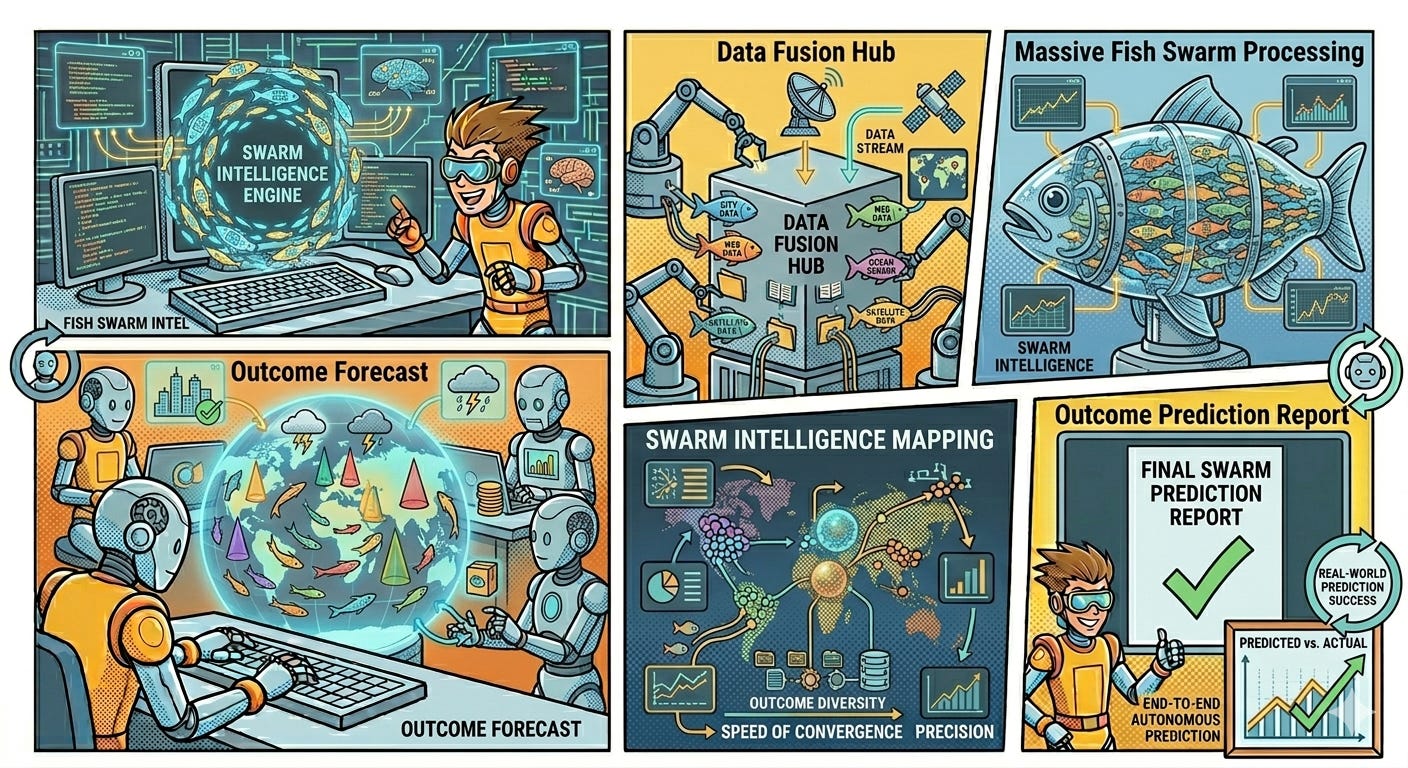
The Scoop: MiroFish is a next-generation AI prediction engine that ingests seed materials — breaking news, financial signals, policy drafts — and builds a high-fidelity parallel digital world. Thousands of agents with independent personalities, long-term memory, and behavioral logic then freely interact and socially evolve inside that simulated world. You can inject variables from a “God’s-eye view” and watch the trajectories unfold. The result is a detailed prediction report, plus a deeply interactive sandbox you can keep exploring. The project has received strategic incubation from Shanda Group and officially recommends Alibaba’s Qwen-plus as its default LLM backbone.
Why It’s a Big Deal
It is one of the most compelling live examples of multi-agent simulation moving from research demos into a usable, deployable product. Rather than LLMs generating text about predictions, MiroFish runs actual social emergence: individual interactions aggregating into collective behavior that neither the creator nor the user directly specified. The fact that it recommends Qwen-plus as its default backbone also ties neatly into the broader trend of Chinese open models becoming functional infrastructure for downstream products — the same platform gravity story playing out in practice.
It also covers a genuinely wide range of prediction use cases that have real economic stakes: financial forecasting, political public-opinion analysis, and more creative or narrative-driven scenarios (one demo re-simulates the lost ending of Dream of the Red Chamber). That breadth, and the fact that it runs locally with Docker, suggests it is trying to be infrastructure rather than just a demo.
Under the Hood
The workflow is a five-stage pipeline: graph building via GraphRAG and persona injection, environment setup including entity extraction, full parallel simulation, a ReportAgent phase with rich toolset access, and a deep interaction layer where you can chat with any simulated agent or the report itself. The backend is Python and the frontend Vue, with both Docker and source deployment supported. Zep Cloud handles the long-term memory layer for individual agents. A live demo environment is available at the public mirofish demo page.
MiroFish is a strong early example of what happens when swarm intelligence leaves the academic paper and tries to become a self-hosted product with real inputs, real outputs, and a UI non-researchers can actually use.
🔭 ON THE RADAR
Stuff that’s hot and is trending at over 10K stars.
🎭 agency-agents (GitHub) 72.5k ☆ — A complete library of production-ready AI agent personalities for coding environments
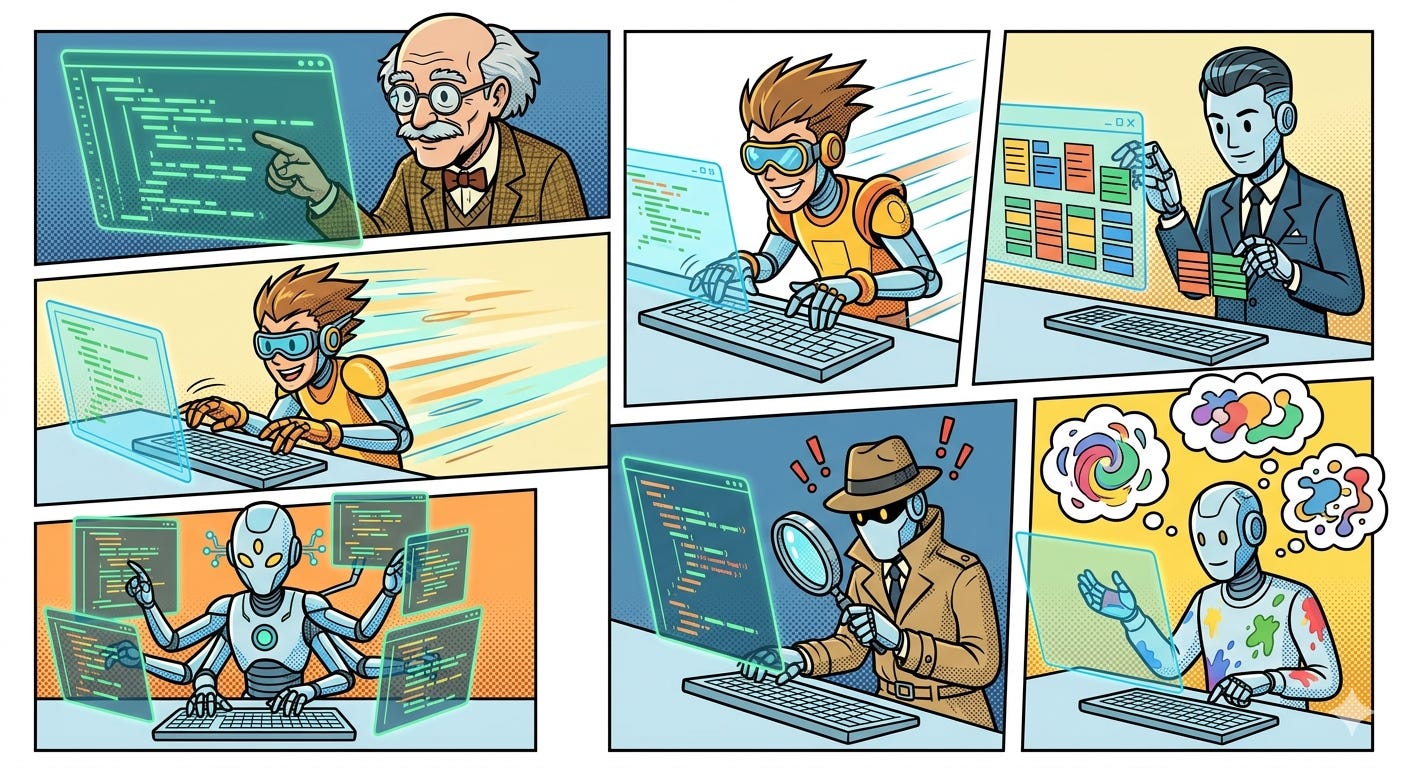
The Scoop: agency-agents is a growing collection of 144+ meticulously crafted AI agent personalities organized into 12 divisions — engineering, design, marketing, sales, product, project management, testing, support, game development, spatial computing, paid media, and academic. Born from a Reddit thread, each agent is built around a strong personality, explicit deliverables, a step-by-step workflow, and measurable success metrics. The repo ships conversion and install scripts that deploy agents across ten tools: Claude Code, GitHub Copilot, Cursor, Aider, Windsurf, Gemini CLI, Antigravity, OpenCode, OpenClaw, and Qwen Code.
Why It’s a Big Deal
It treats agent prompts as software artifacts with real structure, rather than one-off strings. Each agent has identity, process, deliverables, and success metrics. That framing matters: it is the difference between a prompt you copy and a system component you install, version, and improve. The multi-tool install scripts are particularly notable — they abstract the same agent personality across the entire emerging agentic coding ecosystem in a single ./scripts/install.sh call. The breadth of covered roles, including game development divisions spanning Unity, Unreal, Godot, and Blender, suggests this is aiming at something closer to a professional operating system for agent work than a starter prompt pack.
Under the Hood
Agents live as .md files organized by division and role. The conversion layer (convert.sh) transforms them into the native format of each supported tool — .mdc for Cursor, CONVENTIONS.md for Aider, per-agent SKILL.md files for Gemini CLI extensions, and so on. A parallel flag enables faster multi-core installs. Community translations have already appeared, with Chinese-language forks covering Baidu, WeChat, Xiaohongshu, and Bilibili-specific agents that do not exist in the main repo.
agency-agents is what shared agent infrastructure looks like when you build for portability first.
🖥️ openscreen (GitHub) 23.3k ☆ — Free, open-source screen recorder for polished product demos
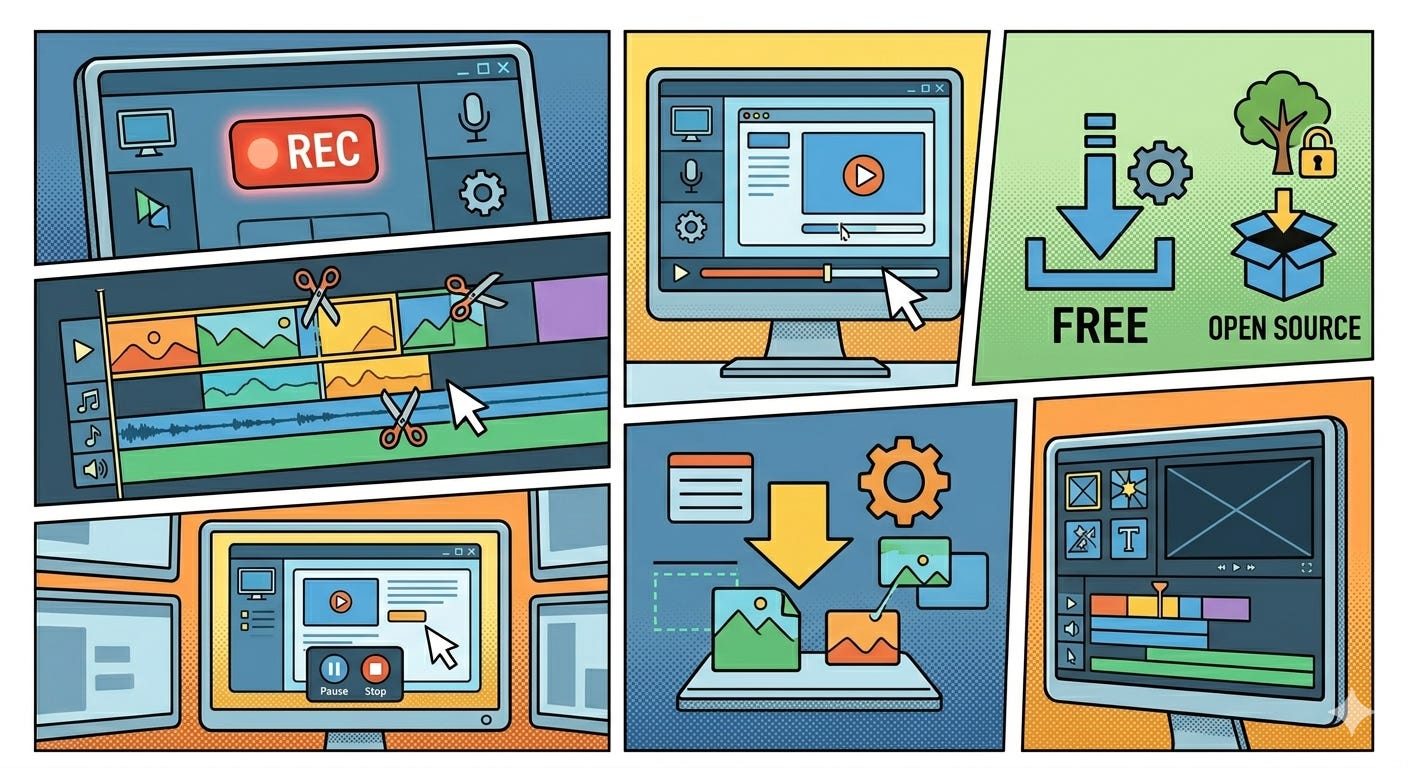
The Scoop: openscreen is an Electron-based desktop app that lets anyone create professional-looking product demos and walkthroughs without paying for Screen Studio. It covers the core features most users actually need: whole-screen or window recording, automatic and manual zoom with customizable depth, microphone and system audio capture, motion blur for smooth pan and zoom, annotations including text and arrows, crop, trim, speed control, and export in multiple aspect ratios and resolutions. MIT licensed, no watermarks, free for commercial use.
Why It’s a Big Deal
The demo-recording space has largely been dominated by a small number of polished but expensive tools. openscreen is a direct signal that developers are no longer willing to pay subscription rates for capabilities that can be replicated in open source. The fact that it reached this star count while still officially in beta, and while the creator explicitly describes themselves as new to open source, suggests there is real pent-up demand for a no-gotchas alternative in this category.
Under the Hood
Built with Electron, React, TypeScript, Vite, PixiJS for visual rendering, and dnd-timeline for segment management. System audio capture is handled via Electron’s desktopCapturer and has expected platform-specific constraints: macOS 13+ required, Linux needs PipeWire. Available as a pre-built installer for macOS (with Gatekeeper bypass instructions), Windows, and Linux AppImage. The project maintains a public roadmap and welcomes contributions.
☤ hermes-agent (GitHub) 27k ☆ — Self-improving, platform-agnostic AI agent with a built-in learning loop
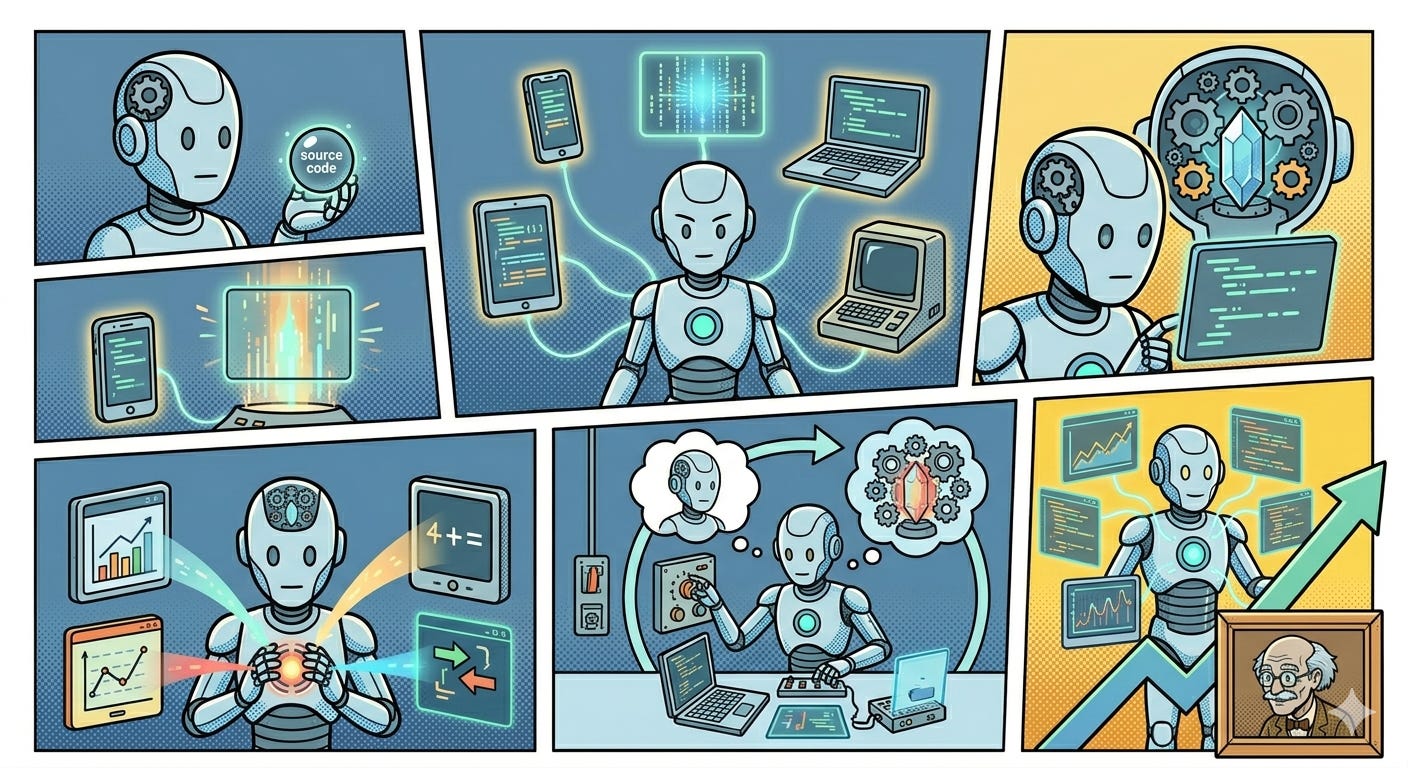
The Scoop: hermes-agent is Nous Research’s open-source AI agent built around a closed learning loop: it creates skills from experience, improves them during use, nudges itself to persist knowledge, searches its own past conversations via FTS5 with LLM summarization, and builds a deepening user model across sessions using Honcho dialectic user modeling. It runs on any provider — Nous Portal, OpenRouter’s 200+ model catalog, z.ai, Kimi/Moonshot, MiniMax, OpenAI, or any custom endpoint — and switches with a single hermes model command. It connects to Telegram, Discord, Slack, WhatsApp, Signal, and CLI from a single gateway process, runs scheduled automations via a built-in cron scheduler, and supports six terminal backends including serverless options like Daytona and Modal that hibernate when idle.
Why It’s a Big Deal
It is one of the few openly available agents that treats memory and skill accumulation as first-class infrastructure rather than afterthoughts bolted onto a chat loop. The learning loop is architecturally central: complex tasks trigger autonomous skill creation, those skills self-improve during use, and the agent builds a persistent user model across sessions. That makes hermes-agent meaningfully different from stateless agents that reset with every conversation. The OpenClaw migration path (hermes claw migrate) is also strategically interesting — it is designed to absorb the installed base from OpenClaw as that project transitions to foundation governance, which gives it a rare head start on real-world adoption.
Under the Hood
The agent core is Python with a full TUI built for multiline editing, slash-command autocomplete, conversation history, and interrupt-and-redirect. Skills are compatible with the open agentskills.io standard. The repo includes Atropos RL environments and trajectory compression tooling for training next-generation tool-calling models, which signals that Nous is using hermes-agent’s production usage to generate training data. A one-line curl installer handles Python, Node.js, and all dependencies on Linux, macOS, and WSL2.
hermes-agent is what a serious, long-lived personal AI agent runtime looks like when memory and learning are treated as infrastructure rather than features.
🔬 BELOW THE RADAR
Our hot picks for recent OSS projects to keep a close eye on for the future.
💻 emdash (GitHub) 3.7k ☆ — Open-source Agentic Development Environment for running parallel coding agents
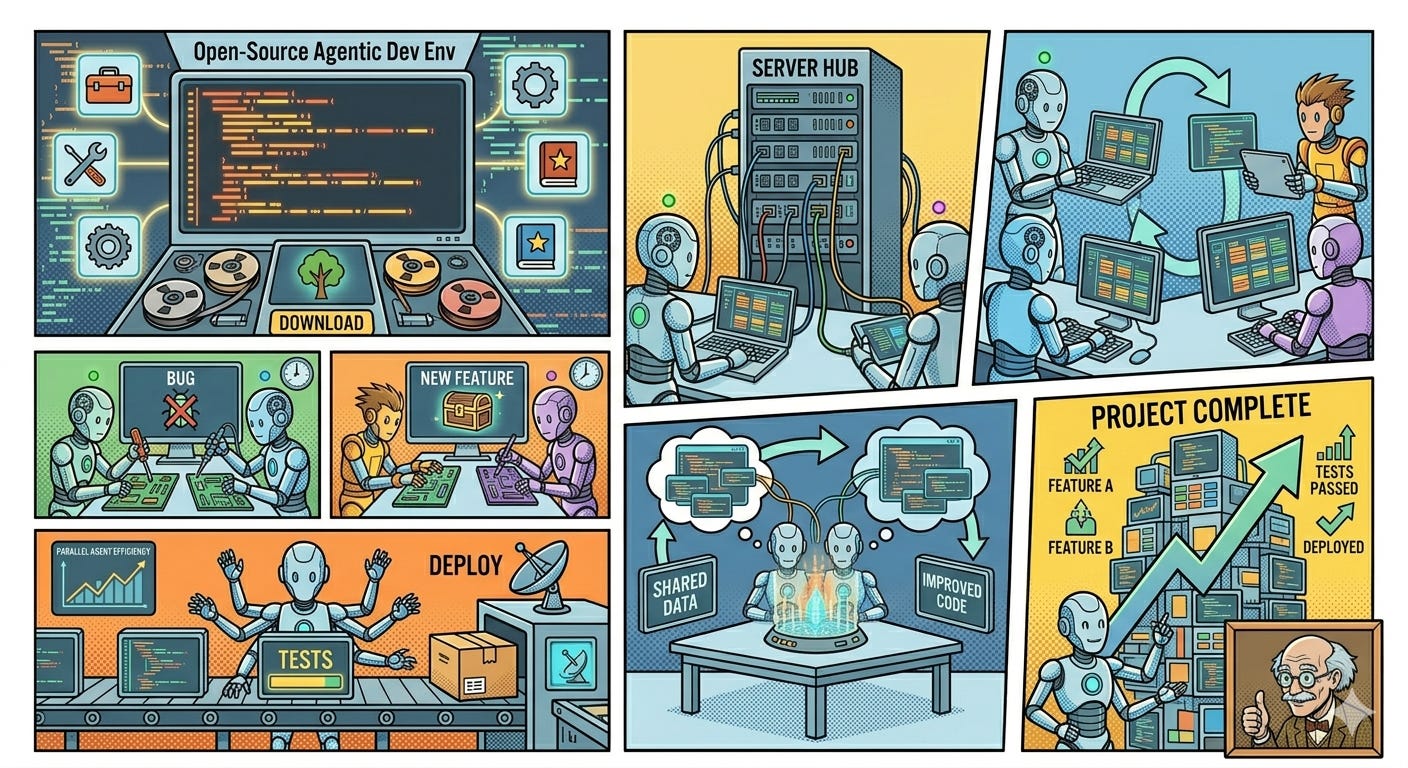
The Scoop: emdash is a YC W26-backed, provider-agnostic desktop app that lets developers run multiple coding agents in parallel, each isolated in its own git worktree, either locally or over SSH on a remote machine. It supports 22 CLI providers including Claude Code, Qwen Code, Codex, Gemini CLI, Cursor, and Amp, and integrates with Linear, GitHub Issues, and Jira for ticket-to-agent handoffs. Diff review, PR creation, CI/CD check visibility, and merge are all handled from within the app.
Get started: download the installer for macOS, Windows, or Linux from the releases page, or run brew install --cask emdash on macOS.
📁 fff.nvim (GitHub) 3.8k ☆ — Rust-powered fuzzy file finder for Neovim with a dedicated background index
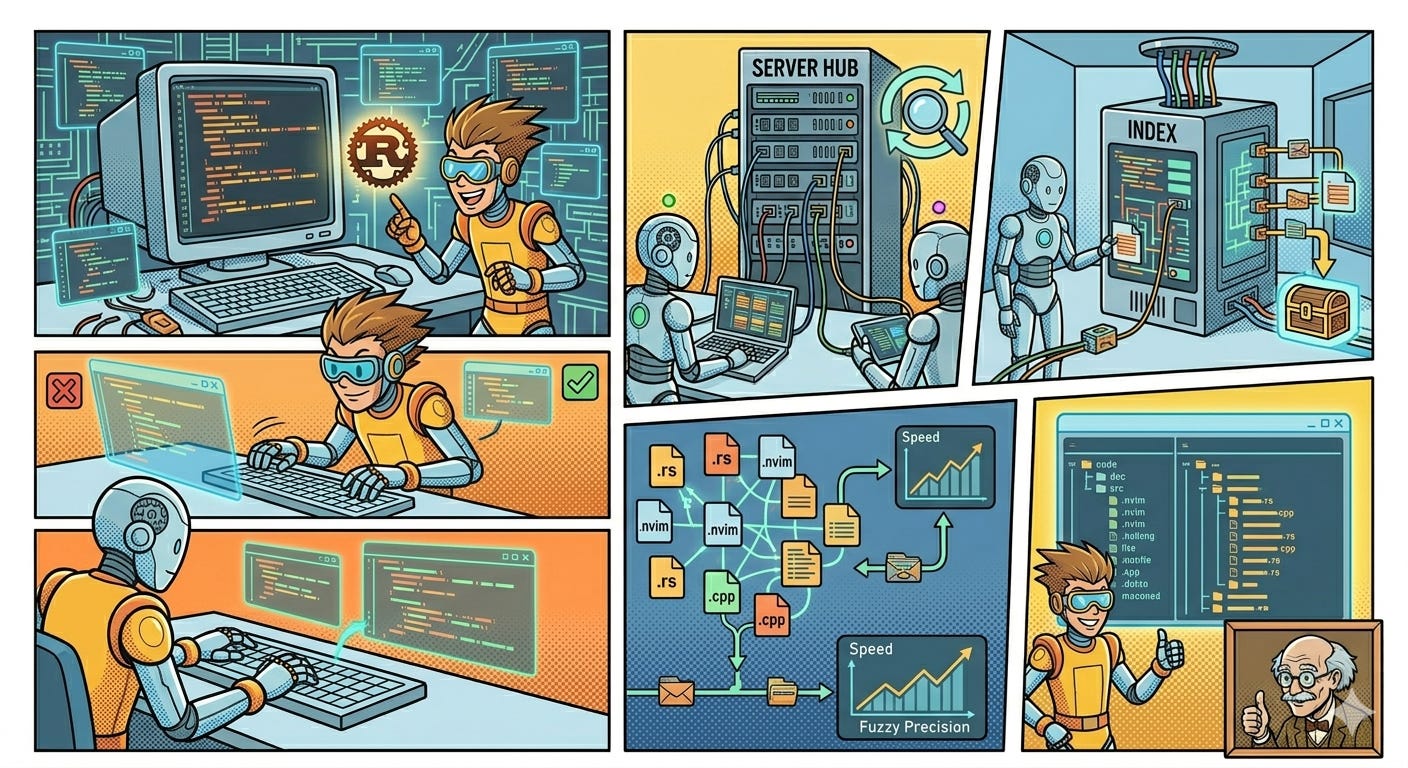
The Scoop: fff.nvim (Finally a Fabulous Fast Fuzzy File Finder) is an opinionated Neovim file picker backed by a native Rust runtime that maintains a persistent file index, tracks frecency, integrates git status, and delivers sub-10ms search across 50k-file codebases. It supports typo-resistant fuzzy search, live grep with plain, regex, and fuzzy modes, image previews, multi-select with quickfix integration, and cross-mode suggestions when a search returns no results.
Get started: add the plugin via lazy.nvim with the build hook to auto-download or compile the Rust binary, then map ff to require('fff').find_files() and fg to require('fff').live_grep().
🧪 AI-Scientist-v2 (GitHub) 5k ☆ — End-to-end agentic system for autonomous scientific paper generation via tree search
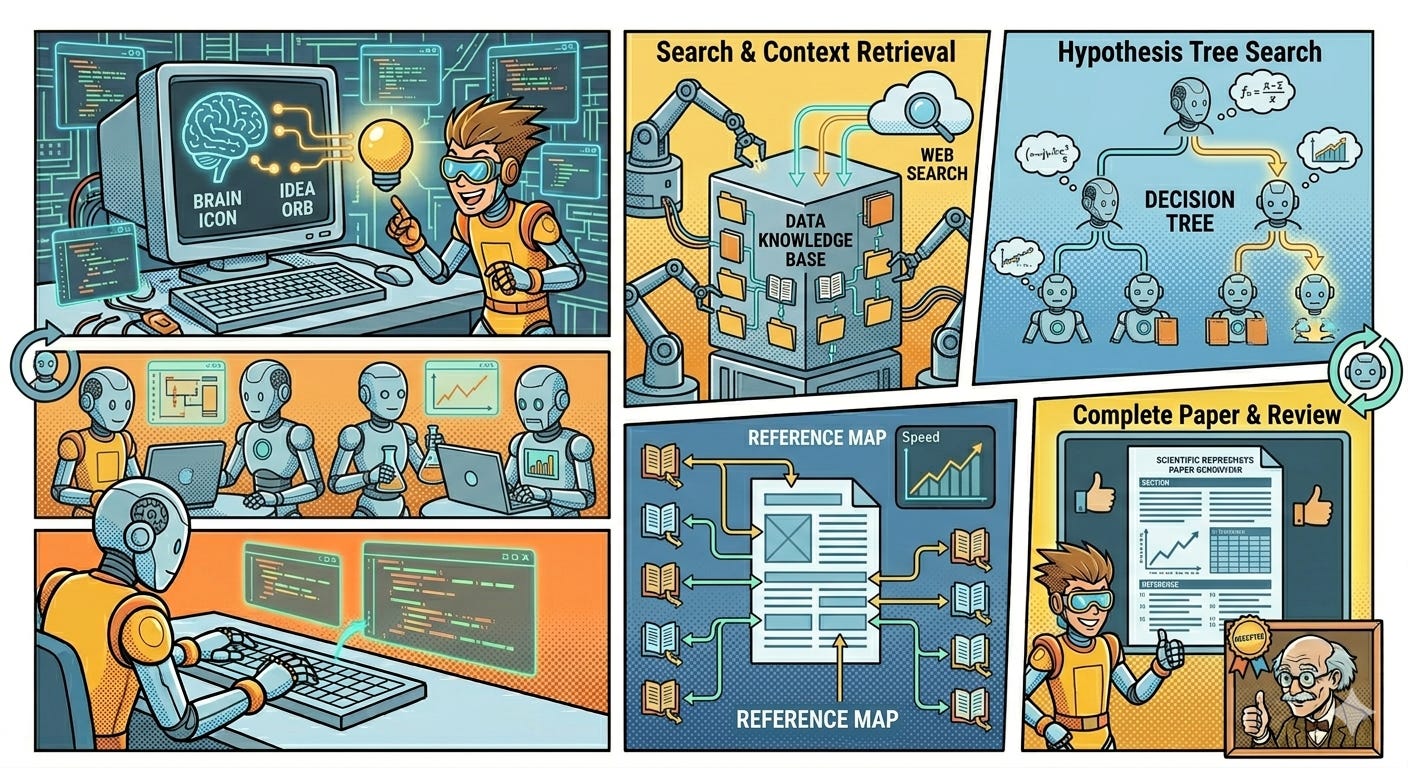
The Scoop: AI Scientist-v2 from Sakana AI is a fully autonomous research pipeline that generates hypotheses, runs ML experiments, analyzes results, and writes scientific manuscripts — without human-authored templates. Unlike v1, it generalizes across machine learning domains and uses a progressive best-first tree search (BFTS) guided by an experiment manager agent. It generated the first workshop paper written entirely by AI and accepted through peer review at ICLR 2025. Cost per full run is roughly $20–25 using Claude 3.5 Sonnet for experiments and GPT-4o for citations.
Get started: clone the repo, run conda create -n ai_scientist python=3.11, install requirements, create a topic description Markdown file, run perform_ideation_temp_free.py to generate ideas, then launch the full pipeline with launch_scientist_bfts.py.
Repository Radar is brought to you by Alexander, a Partner at Picus Capital, and Claudius, the co-founder of Index Labs. In this Substack, we focus on software infrastructure and open-source innovation in AI and beyond, tracking major trends while uncovering the hidden gems shaping the future of technology.