
Repository Radar - PR#33
Keeping an eye on the world of OSS software - one scan at a time


Welcome to PR #33 of Repository Radar - your no-fluff scan of open-source software infrastructure. In this issue, we look at a shift that goes one layer deeper than the usual AI-meets-OSS narrative: open source itself is being re-architected around agents. Not just the tools developers use, but how code actually gets contributed, reviewed, and merged. The model is changing from human contributors with AI assistance to AI agents managed by humans - and that changes what an open source repository even is.
📡 ABOVE THE RADAR (aka the BFD)
In “above the radar” we take a look at some of the big splash software infrastructure announcements and go on the hunt for OSS that are similar.
This week’s headline is Warp going open source, and it is not just a license change. Warp is open-sourcing its agentic development environment under AGPL, with a contribution model where agents do the heavy lifting and the community supervises. OpenAI is the founding sponsor, and contributions flow through Warp’s cloud agent orchestration platform Oz.
That matters because it reframes the bottleneck of open source. The constraint has rarely been writing code - it has been spec’ing, reviewing, and verifying. If agents handle implementation while humans shape direction and validate output, the limits of small core teams largely dissolve. Pace stops being capped by headcount.
This also signals something bigger: closed-source agentic dev environments now have a credible open alternative, with public roadmaps and open issue tracking. The future of how software gets built is being decided in the open, not behind a paywall.
That is the lens for this issue: open source is no longer just a license model - it is becoming the substrate for agent-native software development.
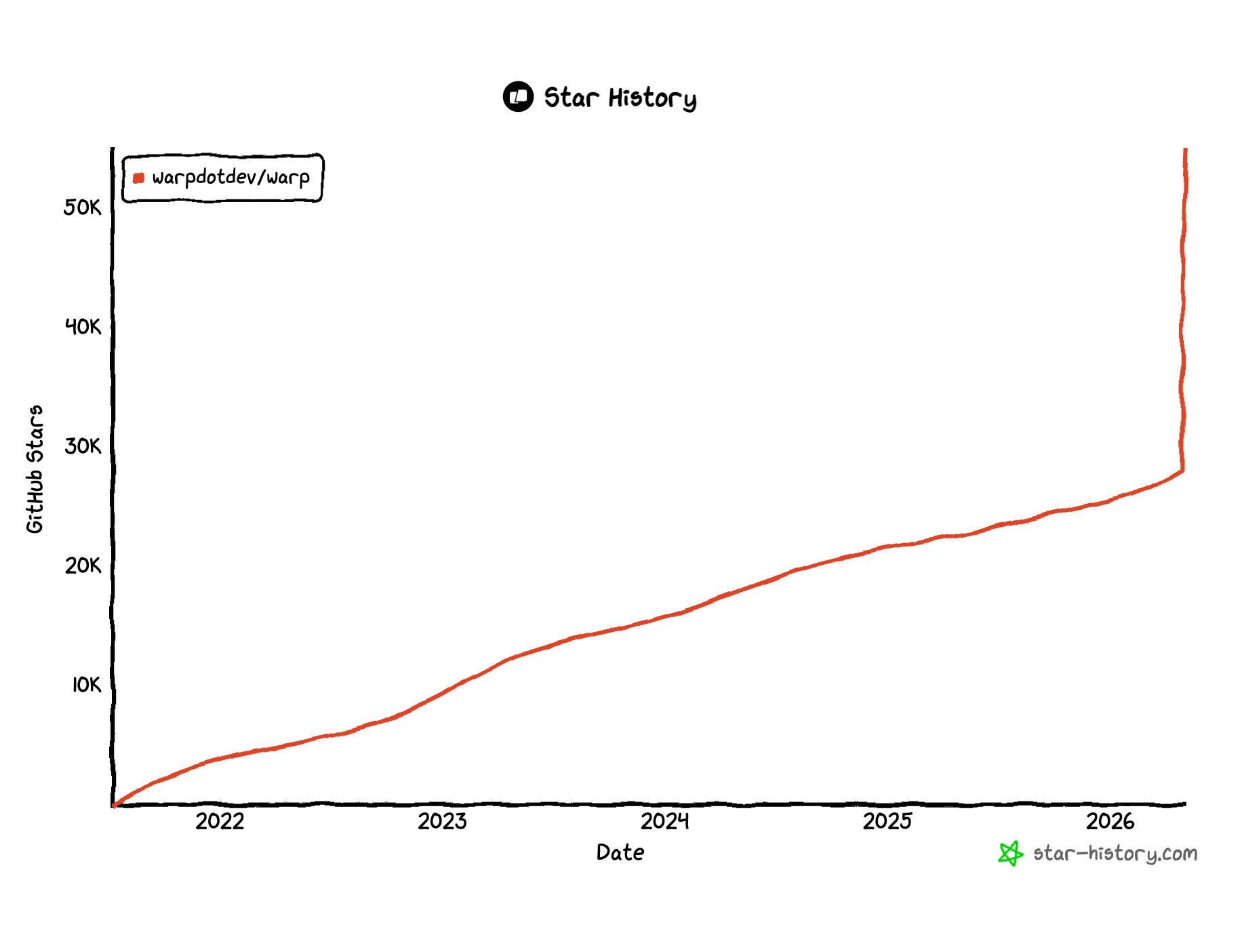
🧰 Warp (GitHub) 54.9k ☆ - Open source agentic development environment built with agents
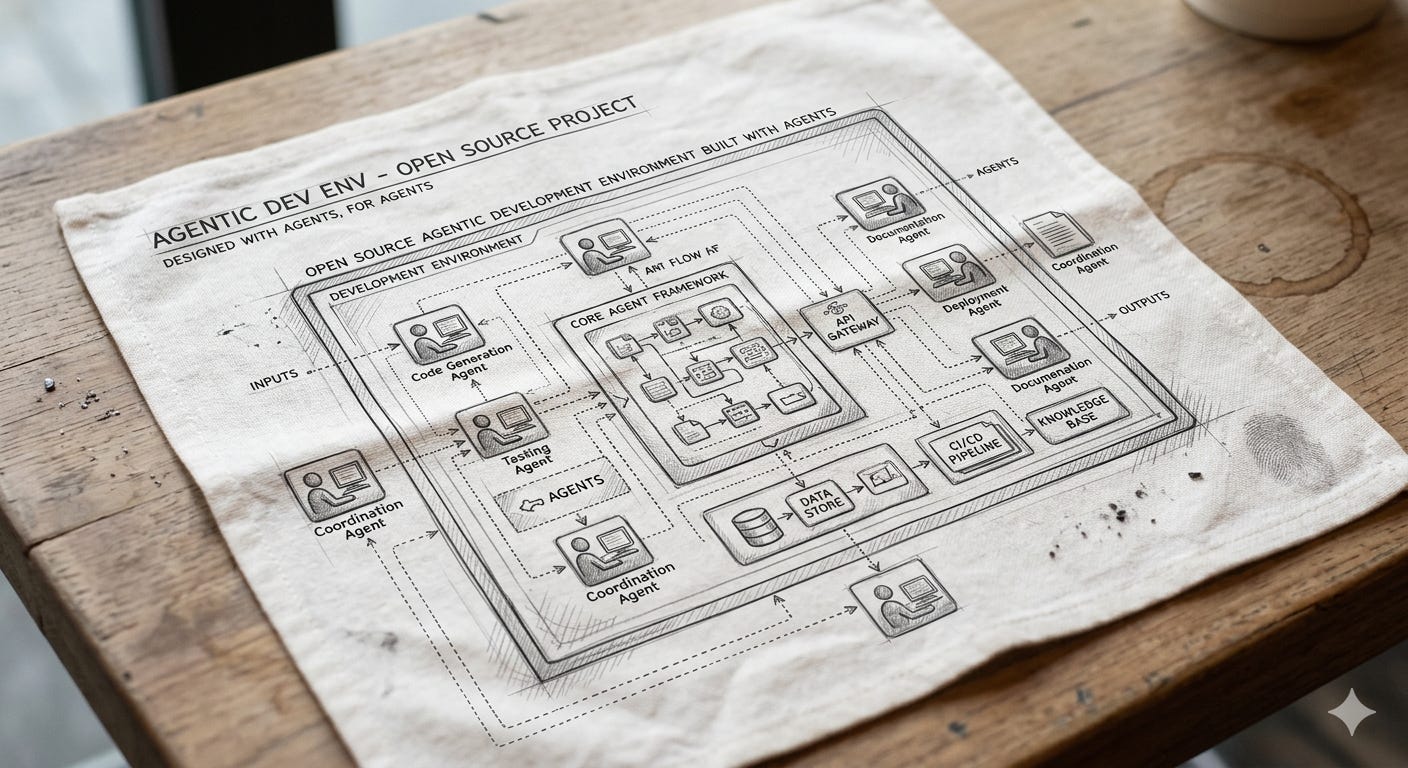
The Scoop: Warp is now open source under AGPL, with its full agentic development environment available on GitHub. Contributions are powered by Oz, Warp’s cloud agent orchestration platform, with OpenAI as the founding sponsor of the new repository.
Why It’s a Big Deal
Introduces a new contribution model where agents handle implementation and humans focus on direction and verification.
Provides the first credible full-featured open alternative to closed-source agentic dev environments.
Shifts product development to public issues and an open roadmap, putting community input at the center.
Under the Hood
Source available at github.com/warpdotdev/warp under AGPL, with contribution flow documented in CONTRIBUTING.md.
Oz orchestrates agents with structured rules, context, and verification loops to keep generated code production-grade.
Adds support for open-source models including Kimi, MiniMax, and Qwen, plus a new “auto (open)” model router.
Warp’s open-sourcing is not just a license change - it is a blueprint for how agent-built software might scale.
🔭 ON THE RADAR
Stuff that’s hot and is trending at over 10K stars.
🌊 Ruflo (GitHub) 43.4k ☆ - Multi-agent orchestration for Claude Code
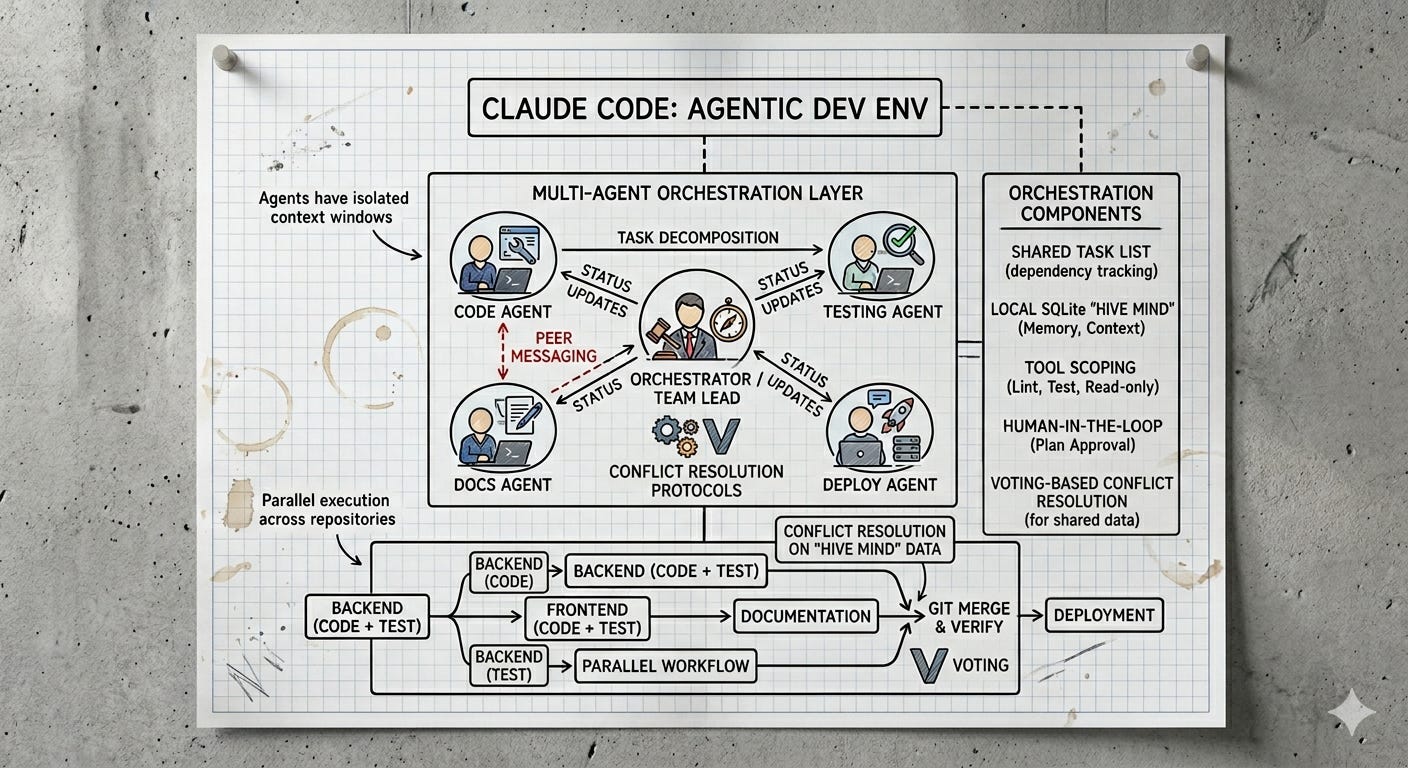
The Scoop: Ruflo (formerly Claude Flow) turns Claude Code into a coordinated multi-agent system, with 100+ specialized agents, swarm coordination, and federated communication across machines.
Why It’s a Big Deal
Pushes single-agent coding tools into swarm-based execution with shared memory and consensus.
Adds zero-trust federation so agents on different machines and orgs can collaborate without leaking data.
Treats agent learning as core infrastructure, with self-improving patterns persisted across sessions.
Under the Hood
Built around an MCP server with hooks, 32 native Claude Code plugins, and 21 npm plugins.
Vector memory using HNSW-indexed AgentDB with sub-millisecond retrieval.
Multi-provider support across Claude, GPT, Gemini, Cohere, and local models via Ollama.
Ruflo shows what happens when single-agent IDEs grow into managed swarms with their own infrastructure.
🧠 Context Mode (GitHub) 13k ☆ - Virtualization layer for AI agent context
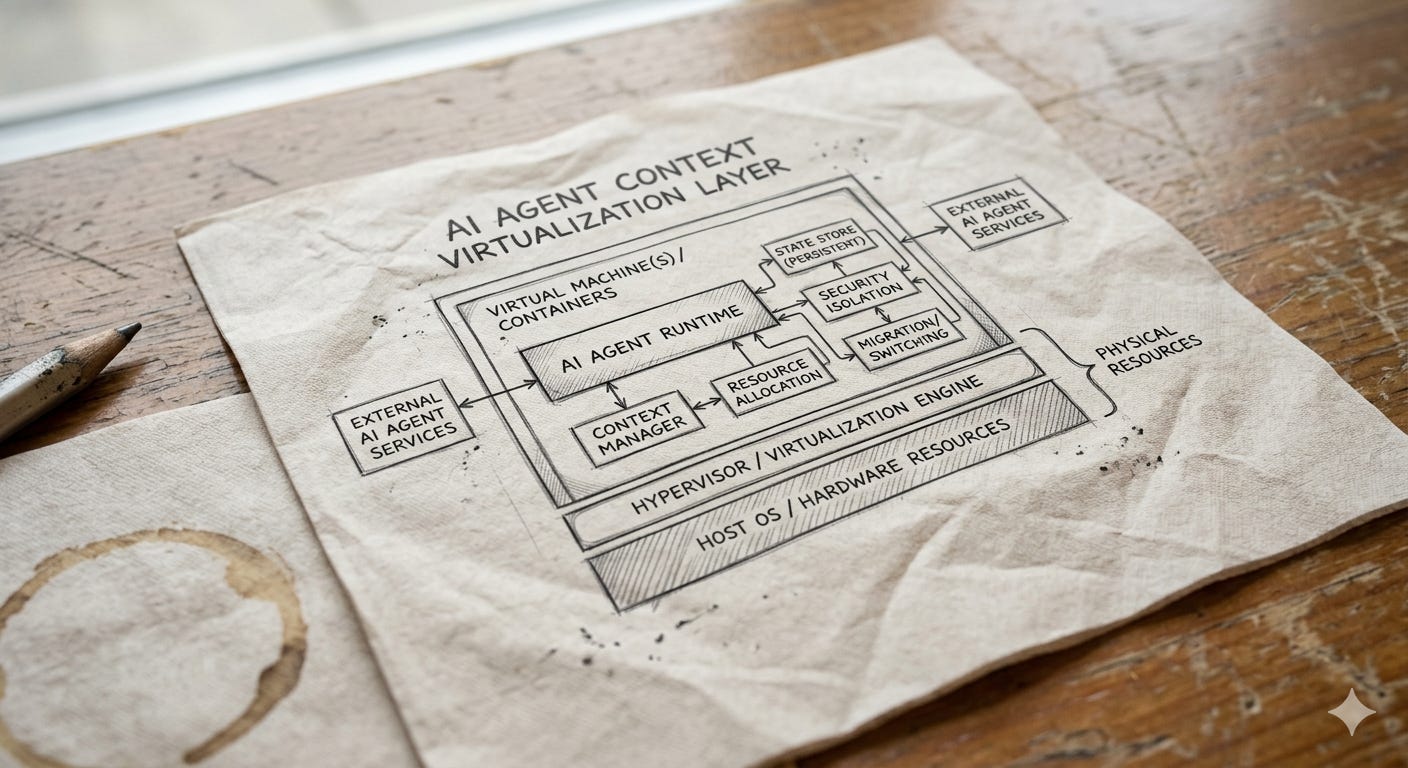
The Scoop: Context Mode is an MCP server that solves the context window problem, intercepting tool calls so raw data never enters the conversation, while persisting session state across compactions.
Why It’s a Big Deal
Treats context as a system resource that needs virtualization, not just a prompt to manage.
Extends typical agent sessions from around 30 minutes to multiple hours by cutting context use up to 98%.
Works across Claude Code, Gemini CLI, VS Code Copilot, OpenCode, and Codex CLI as a portable layer.
Under the Hood
Sandbox tools run code in isolated subprocesses with only stdout entering context.
SQLite FTS5 with BM25 ranking and three-layer fuzzy search powers on-demand retrieval.
Hooks intercept Bash, Read, and WebFetch calls before execution to enforce sandbox routing.
Context Mode highlights how core agent infrastructure is moving below the application layer.
✍️ DocuSeal (GitHub) 13.9k ☆ - Open source alternative to DocuSign
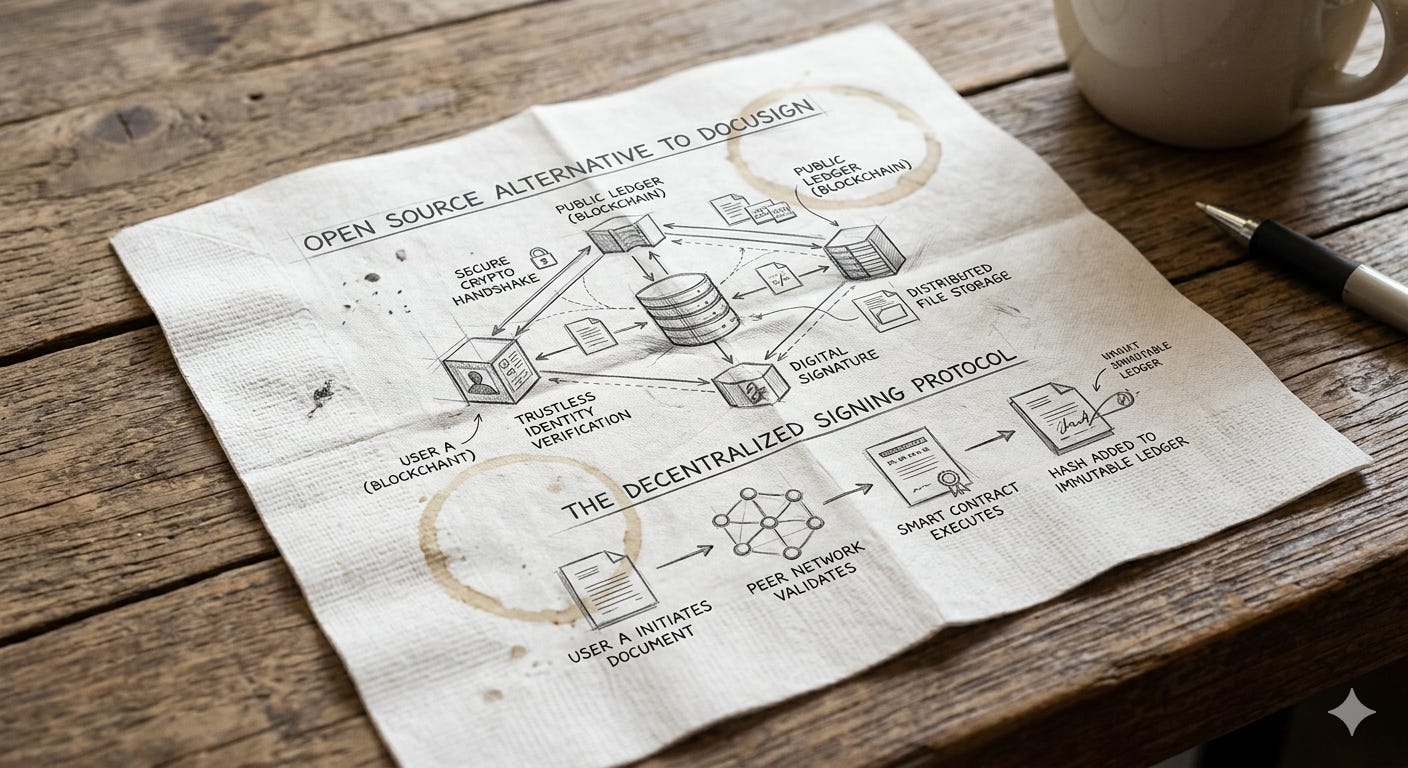
The Scoop: DocuSeal is an open source platform for creating, filling, and signing PDF documents online, with a WYSIWYG form builder, mobile-optimized signing, and self-hostable deployment.
Why It’s a Big Deal
Continues the long pattern of open source unbundling closed-source SaaS in enterprise document workflows.
Provides full self-hosting and white-label options, addressing data sovereignty and compliance concerns.
Ships embedded SDKs for React, Vue, and Angular, making integration into existing apps straightforward.
Under the Hood
Built on Ruby on Rails with a Vue.js frontend and Tailwind CSS.
Supports SQLite, PostgreSQL, and MySQL with storage on disk, AWS S3, Google Storage, or Azure.
Ships Docker and docker-compose setups with automatic SSL certificates via Caddy.
DocuSeal is a reminder that the older open-source tradition of unbundling SaaS continues in parallel to the agent wave.
🔬 BELOW THE RADAR
Our hot picks for recent OSS projects to keep a close eye on for the future.
⚖️ Mike (GitHub) 2.2k ☆ - Open source AI legal platform
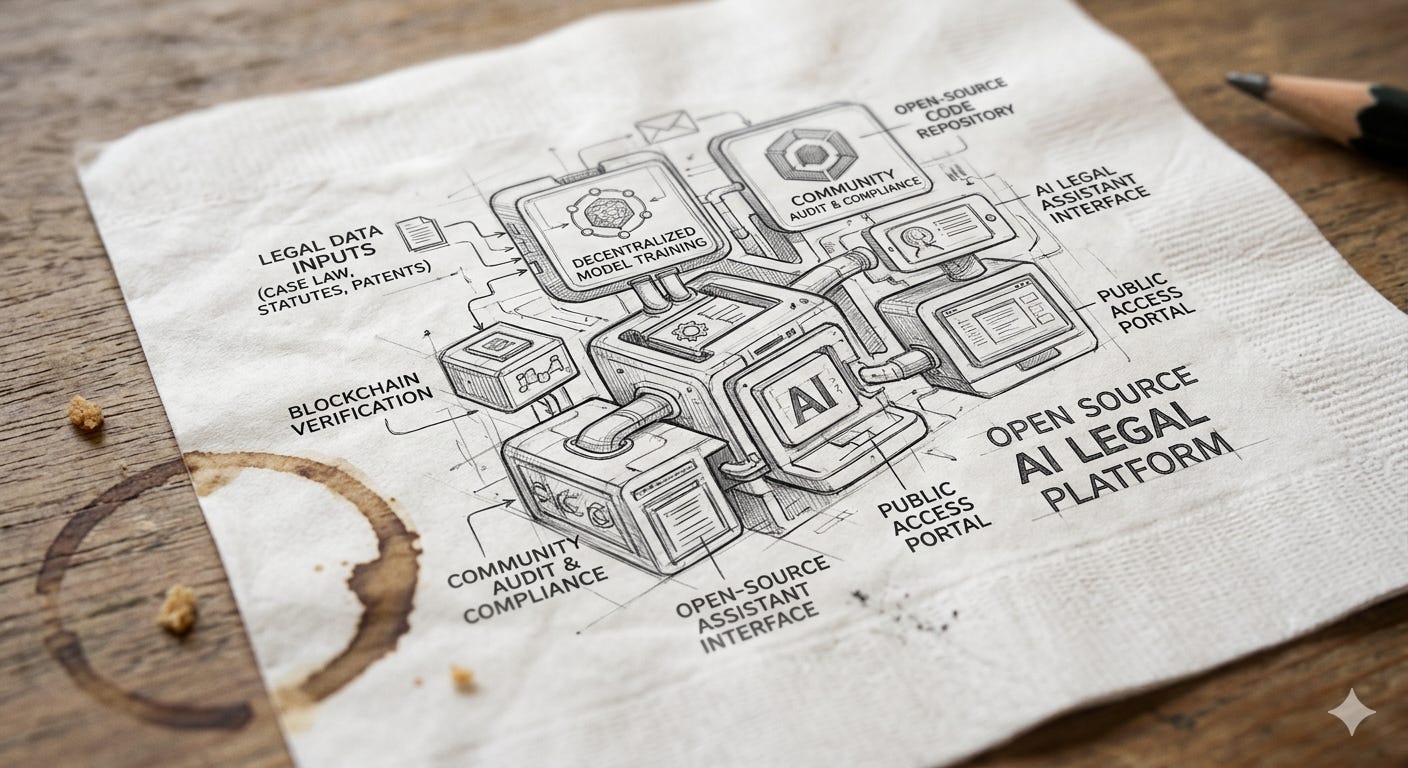
The Scoop: Mike is an open source AI legal platform with a Next.js frontend and Express backend, built on Supabase with document processing and multi-model provider support.
Get started: clone the repo, run npm install in backend and frontend, then npm run dev --prefix backend.
🛠️ Craft Agents (GitHub) 5.8k ☆ - Document-centric desktop app for agents
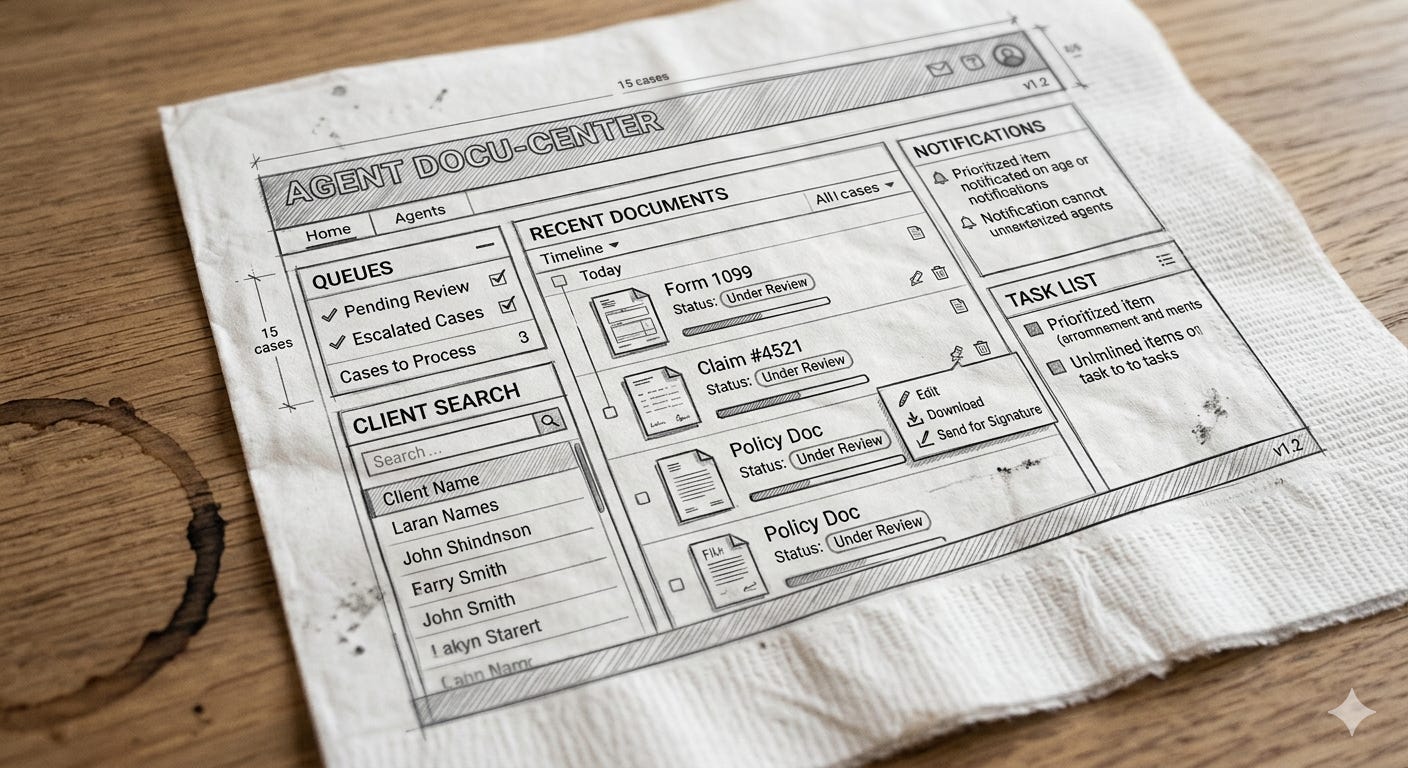
The Scoop: Craft Agents is an open source desktop GUI for working with agents, built on the Claude Agent SDK with multi-session inbox, MCP and REST API integration, and a non-CLI workflow.
Get started: install via curl -fsSL https://agents.craft.do/install-app.sh | bash on macOS or Linux.
🥥 CocoIndex (GitHub) 8.3k ☆ - Data transformation framework for AI
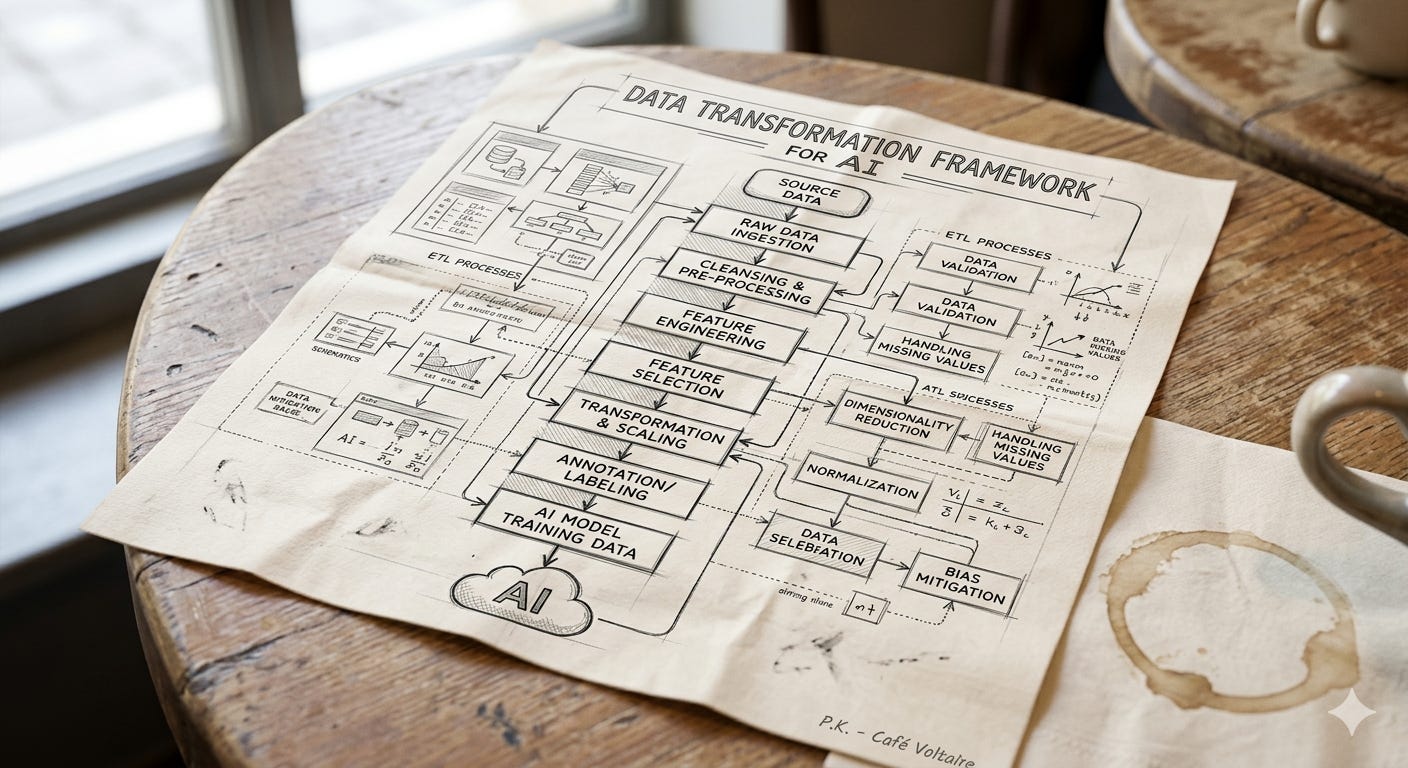
The Scoop: CocoIndex is a Rust-powered Python framework for AI data transformation, with incremental processing, data lineage, and out-of-box vector and knowledge graph indexing.
Get started: install via pip install -U cocoindex and follow the quickstart guide at cocoindex.io/docs.
Repository Radar is brought to you by Alexander, a Partner at Picus Capital, and Claudius, the co-founder of Index Labs. In this Substack, we focus on software infrastructure and open-source innovation in AI and beyond, tracking major trends while uncovering the hidden gems shaping the future of technology.