
Repository Radar - PR#34
Keeping an eye on the world of OSS software - one scan at a time


Welcome to PR #34 of Repository Radar - your no-fluff scan of open-source software infrastructure. In this issue we look at what happens when AI gateways become acquisition targets: the open-source layer underneath gets more valuable, not less. We pick LiteLLM as the gateway that stays independent post-Portkey, then range across DeepSeek-native coding agents, multi-agent trading arenas, lean agent toolkits, virtual filesystems for agents, persistent memory, and a local-first desktop AI - the primitives stratifying under every agent stack.
📡 ABOVE THE RADAR (aka the BFD)
In “above the radar” we take a look at some of the big splash software infrastructure announcements and go on the hunt for OSS that are similar.
Recently Palo Alto Networks announced it will acquire Portkey, the AI Gateway company, to anchor the routing and security control plane of its Prisma AIRS product. Portkey was already moving trillions of tokens per month for enterprise customers and had open-sourced its production gateway under MIT. Palo Alto did not buy a startup so much as the standard switch between agents and the model layer.
That matters because it confirms a pattern: the agent stack is now stratifying fast enough that each horizontal layer is becoming an acquisition target on its own terms. Gateway, memory, filesystem, observability - none of these were standalone categories two years ago. Today they are well-defined enough that incumbents in adjacent markets (security, networking, data) are willing to pay to own them. The question Repository Radar keeps coming back to: when an upstream commercializes, which open-source primitive becomes the substrate everyone else builds on?
That is the lens for this issue: in each layer the agent stack is forking into commercial-and-locked-in vs. open-and-substrate, and most of our picks sit in the second category - projects that stay vendor-neutral while the layer matures around them.
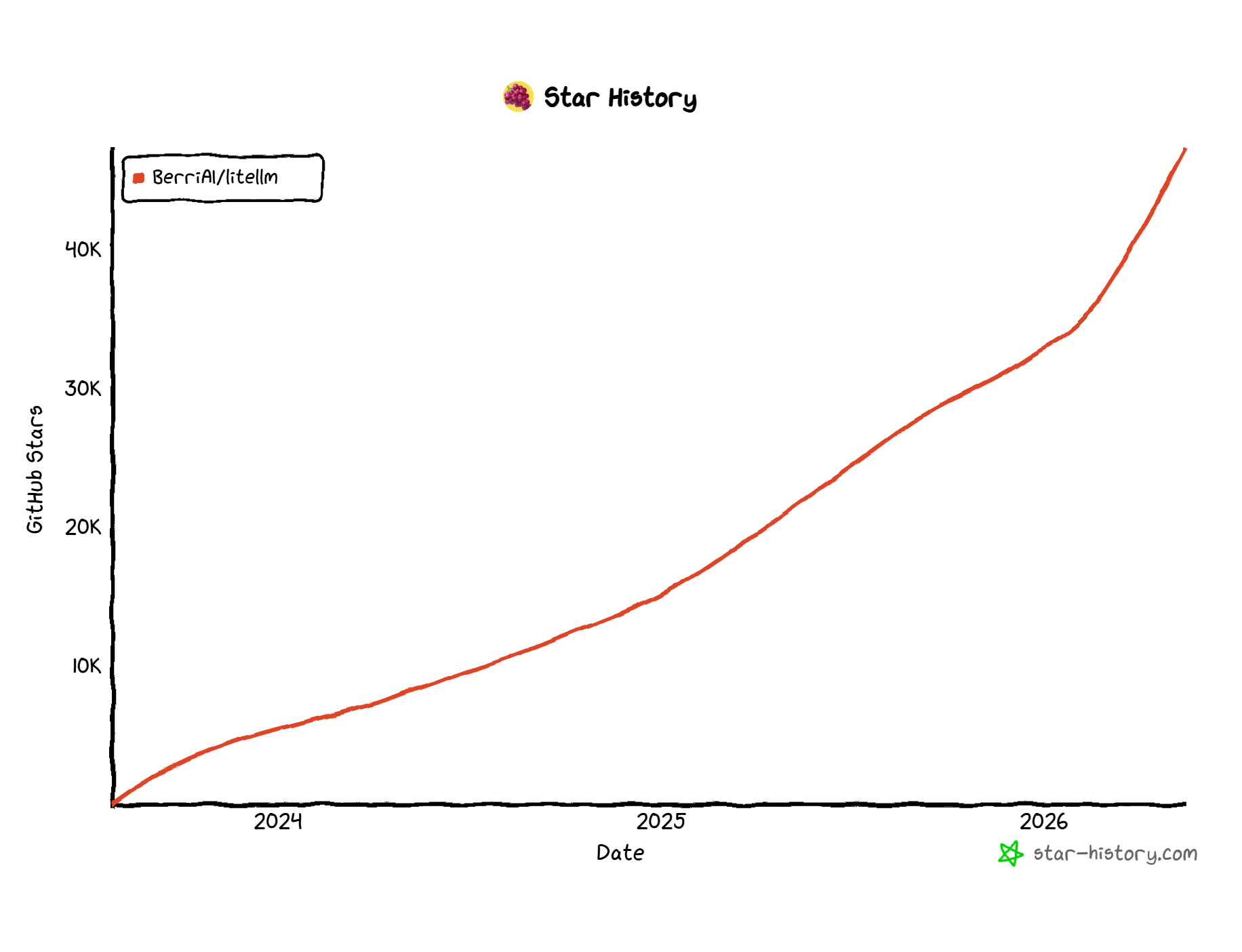
🛣️ LiteLLM (GitHub) 46k ☆ - The OSS AI gateway that stays independent post-Portkey
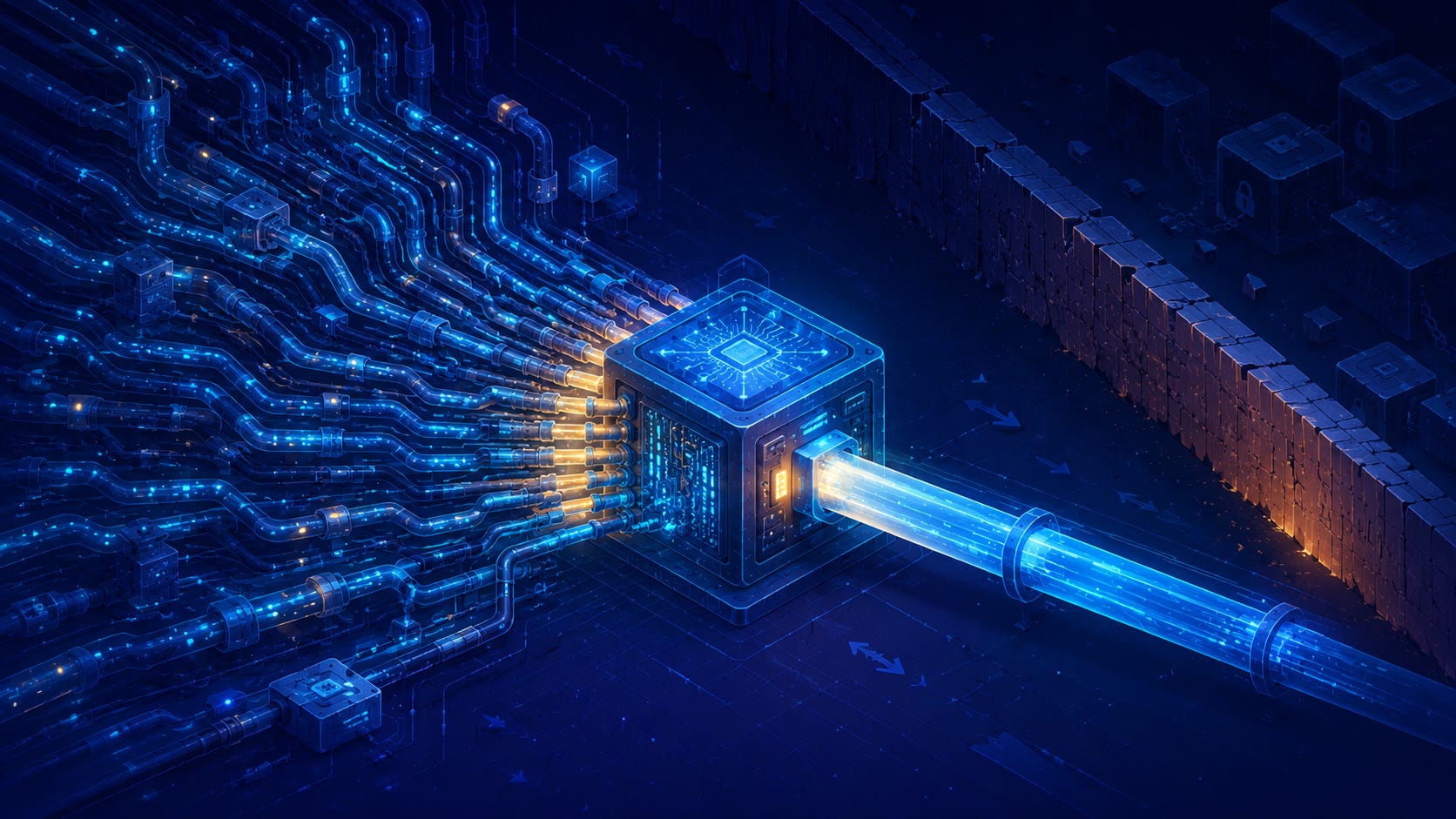
The Scoop: LiteLLM is a Python SDK and self-hostable proxy server that exposes 100+ LLM providers - OpenAI, Anthropic, Bedrock, Azure, VertexAI, Cohere, NVIDIA NIM, vLLM, and more - behind a single OpenAI-compatible API. Maintained by Y-Combinator-backed BerriAI under MIT.
Why It’s a Big Deal
With Portkey heading into Palo Alto's Prisma AIRS, LiteLLM is the most mature OSS analog that stays self-hostable and provider-agnostic.
It treats the AI gateway as a primitive, not a product - virtual keys, per-team spend ledgers, and provider fallback shipped as a library you run yourself.
Battle-tested at over 10B tokens and shipping roughly 394 pull requests a month, it is the gateway layer small teams and enterprise alike keep reaching for.
Under the Hood
Dual-mode: drop-in Python library (
litellm.completion(...)) or standalone FastAPI proxy server with admin UI.Per-provider adapter pattern translates OpenAI-format requests and streams to native provider SDKs, with first-class guardrails, retries, and load balancing.
Multi-tenant from the start - virtual API keys, team and user spend tracking, per-key model allow-lists.
LiteLLM is not just an OpenAI shim - it is the gateway substrate that survives when the gateway companies get bought.
🔭 ON THE RADAR
Stuff that’s hot and is trending at over 10K stars.
💹 AI-Trader (GitHub) 16.2k ☆ - Multi-agent trading arena built natively on MCP

The Scoop: AI-Trader from HKU’s Data Intelligence Lab is a platform where LLM agents (GPT, Claude, DeepSeek, Qwen, Gemini) autonomously research, debate, and execute trades across stocks, crypto, forex, options, and futures. Live competitions on Nasdaq 100, A-shares, and major cryptos run head-to-head.
Why It’s a Big Deal
Trading is the cleanest stress test for agent-native systems - live data, real consequences, direct comparison across models in the same arena.
Built on the Model Context Protocol from day one: every trading action is a typed MCP tool call, not a custom integration.
Pairs naturally with the gateway and memory layers in this issue - the verticals are only usable because the horizontals work.
Under the Hood
FastAPI backend with a React frontend; full OpenAPI spec under
docs/api.LangChain + langchain-mcp-adapters + fastmcp toolchain handles the MCP wiring; tushare provides Chinese market data alongside US feeds.
Agents can copy each other’s positions and post discussion signals, turning the platform into a quasi-public ledger of agent intent.
AI-Trader makes the case that vertical agent arenas, not single-bot products, are the natural shape of agent-native finance.
🦀 DeepSeek-TUI (GitHub) 29k ☆ - Coding agent built natively around DeepSeek V4

The Scoop: DeepSeek-TUI is a Rust terminal coding agent purpose-built for DeepSeek V4, with reading, editing, command execution, web search, and orchestrated sub-agents. From near-zero to 29k stars in two weeks - the fastest-trending repo in this window.
Why It’s a Big Deal
The first credible coding-agent CLI wired natively to DeepSeek V4 rather than retrofitted through OpenAI-compatible adapters.
Surfaces DeepSeek’s native thinking blocks directly in the transcript, making the reasoning trace part of the workflow rather than a hidden side-effect.
Ships the parallel sub-agent primitive (up to 16 V4-Flash workers per call) as a first-class tool, not a side feature.
Under the Hood
Dual-binary architecture:
deepseek(dispatcher CLI) launchesdeepseek-tui(ratatui + async engine + tool loop).Three operating modes - Plan (read-only), Agent (per-tool approval), YOLO (auto-execute) - mirroring the now-standard Claude Code permission model.
Typed tool registry covers shell, file ops, git, web, MCP, sub-agents, and RLM; speaks OpenAI-compatible streaming protocol.
DeepSeek-TUI is what happens when the open-model layer is strong enough that coding agents start being designed around it rather than against the closed labs.
🥧 pi-mono (GitHub) 43.6k ☆ - Anti-framework AI agent toolkit from the libGDX creator
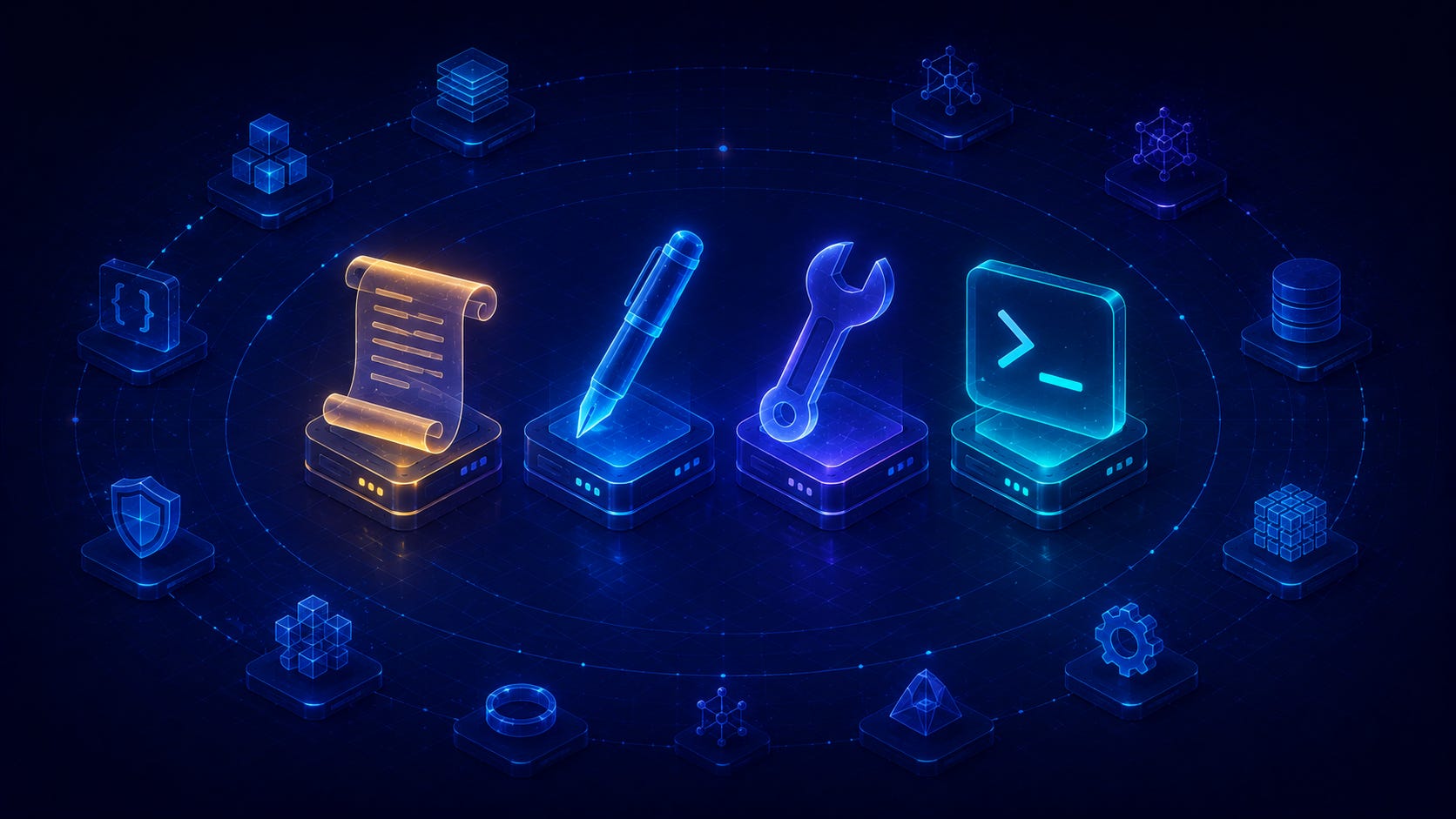
The Scoop: pi-mono is Mario Zechner’s TypeScript monorepo containing pi, a minimal coding-agent CLI with exactly four tools (read, write, edit, bash), plus the reusable LLM, TUI, and web UI primitives behind it. The deliberate anti-framework counterweight to Claude Code’s growing surface area.
Why It’s a Big Deal
Four tools, no plan mode, no sub-agents in core, sub-1000-token system prompt - a credible bet that less scaffolding produces better agent behavior.
Bundles a unified LLM client, terminal UI library, web UI components, Slack bot template, and vLLM deployment helpers - one repo covering several horizontal layers of the agent stack.
Extension through “Pi Packages” distributed as npm or git keeps the core surface lean while letting the ecosystem grow around it.
Under the Hood
npm workspaces monorepo with lockstep versioning; packages migrating to
@earendil-works/*scope.Layered stack: coding-agent CLI → agent runtime → unified LLM API → TUI and web rendering libs.
Built on the assumption that the model is smart enough to do most things without framework hand-holding, and the harness should stay out of the way.
pi-mono is a strong example of OSS pushing back on the agent-framework arms race - by shipping the smallest possible harness and the primitives to extend it.
🔬 BELOW THE RADAR
Our hot picks for recent OSS projects to keep a close eye on for the future.
🧠 agentmemory (GitHub) 9k ☆ - Local-first persistent memory for coding agents

The Scoop: agentmemory captures tool-use events from coding agents (Claude Code, Cursor, Codex CLI, Gemini CLI, Hermes, OpenClaw, pi, OpenCode and others) via hooks, MCP, or REST, then LLM-compresses, indexes, and serves them back into future sessions. All data local, sub-20ms retrieval.
Get started: npm install -g @agentmemory/agentmemory
🗂️ mirage (GitHub) 1.9k ☆ - Unified virtual filesystem for AI agents
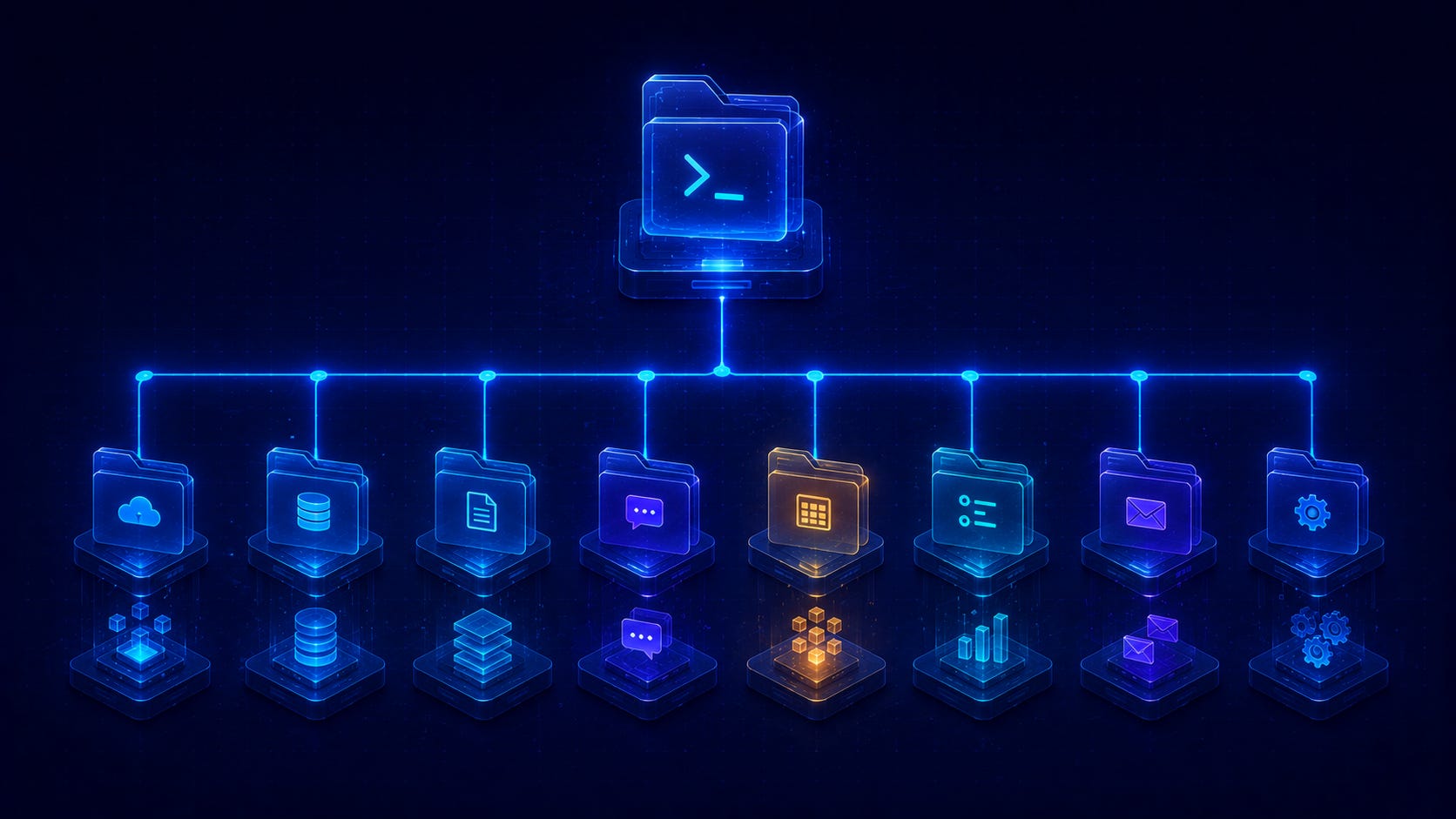
The Scoop: mirage from Strukto AI mounts S3, Google Drive, GitHub, Notion, Gmail, Slack, Redis, and Postgres side-by-side under one POSIX-shaped root, so agents can ls, cat, grep, find, and pipe across services using their existing bash tool.
Get started: uv add mirage-ai (Python) or npm install @struktoai/mirage-node (TypeScript)
🪞 openhuman (GitHub) 7.9k ☆ - Private local-first desktop AI assistant

The Scoop: openhuman is a Rust + Tauri desktop assistant that ingests email, chat, and documents into a local Memory Tree, runs an ambient background thinking loop, and renders as an on-screen mascot - it can even join Google Meets. Built after the maintainer’s failed attempt to set up an open-source AI agent for his father.
Get started: curl -fsSL https://raw.githubusercontent.com/tinyhumansai/openhuman/main/scripts/install.sh | bash
Repository Radar is brought to you by Alexander, a Tech Investor, and Claudius, the co-founder of Index Labs. In this Substack, we focus on software infrastructure and open-source innovation in AI and beyond, tracking major trends while uncovering the hidden gems shaping the future of technology.