

Repository Radar - PR#38
Keeping an eye on the world of OSS software - one scan at a time


Welcome to PR #38 of Repository Radar - your no-fluff scan of open-source software infrastructure. In this issue we follow the developer counter-move to a year of frontier labs buying up the open-source toolchain: the provider-agnostic, bring-your-own-model, local-first primitives that refuse to pick a side. We start above the radar with OmniRoute, track codebase-memory-mcp, meetily and orca on the radar, and close below the radar with FlashInfer, Reor and TanStack AI.
📡 ABOVE THE RADAR (aka the BFD)
In “above the radar” we take a look at some of the big splash software infrastructure announcements and go on the hunt for OSS that are similar.
The recency here is the point. This week, on July 15, Continue’s cloud goes dark: Cursor acquired the open-source coding assistant in June, switched its main repo to read-only, and told users to export their data by that date or lose it. That follows OpenAI’s spring move to buy Astral, the team behind uv and ruff - Python tooling with north of 120 million downloads a month - a deal still working through regulatory approval. In a single quarter, the tools developers type into all day have changed hands.
That matters because the toolchain is the new distribution. Whoever owns the linter, the package manager and the agent runner owns the developer’s daily habit, along with the telemetry and defaults that ride with it. The licenses stay open - uv and ruff keep their MIT and Apache terms - but stewardship now sits inside a frontier lab whose incentives point back at its own models.
That is the lens for this issue: when an upstream commercializes, developers reach for the primitive that stays neutral - one that talks to every provider, runs on your own subscription, and keeps your data on your machine. As the toolchain consolidates upward, the OSS that matters is the layer that refuses to pick a side.
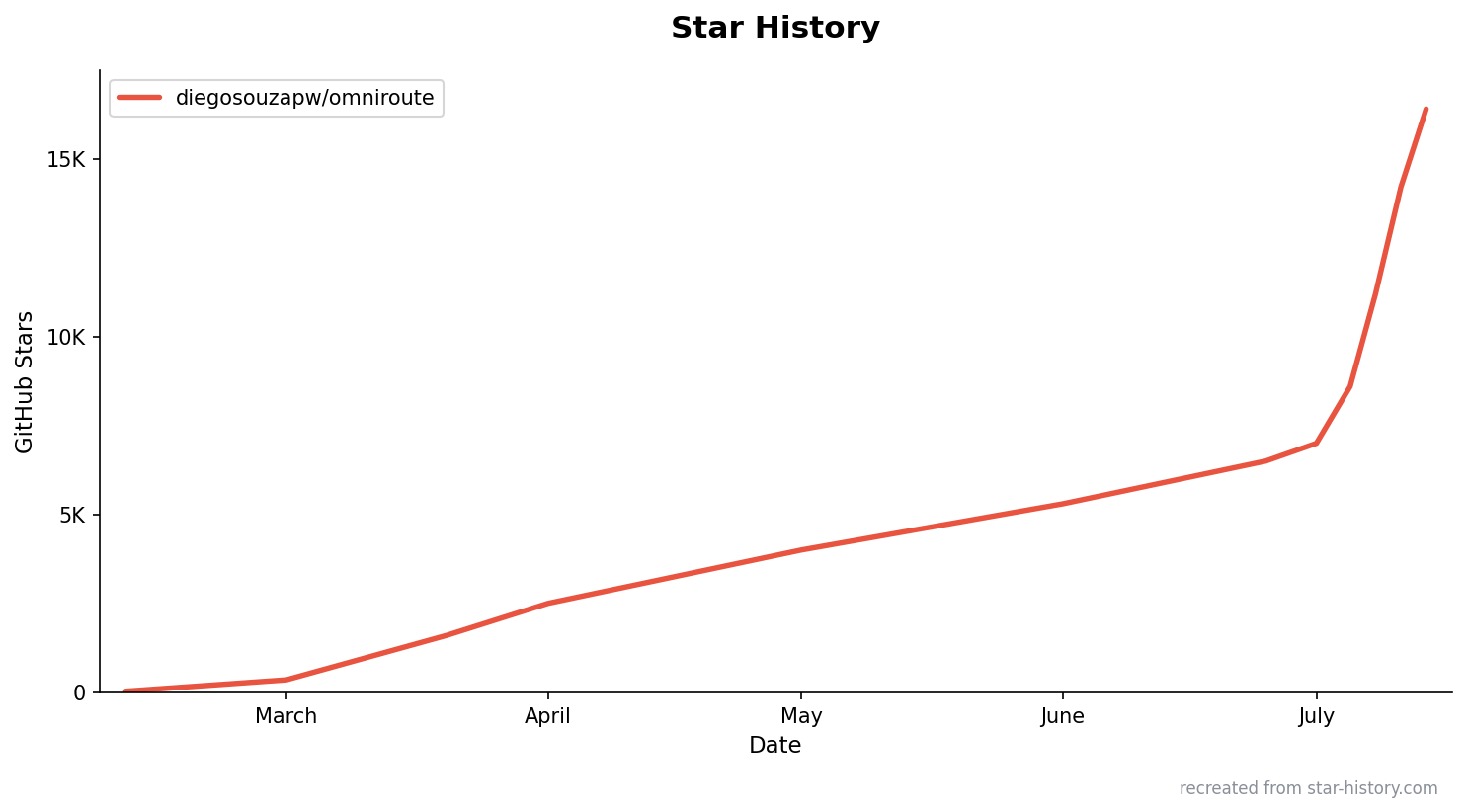
🔀 OmniRoute (GitHub) 16.4k ☆ - one endpoint, every model, none of the lock-in
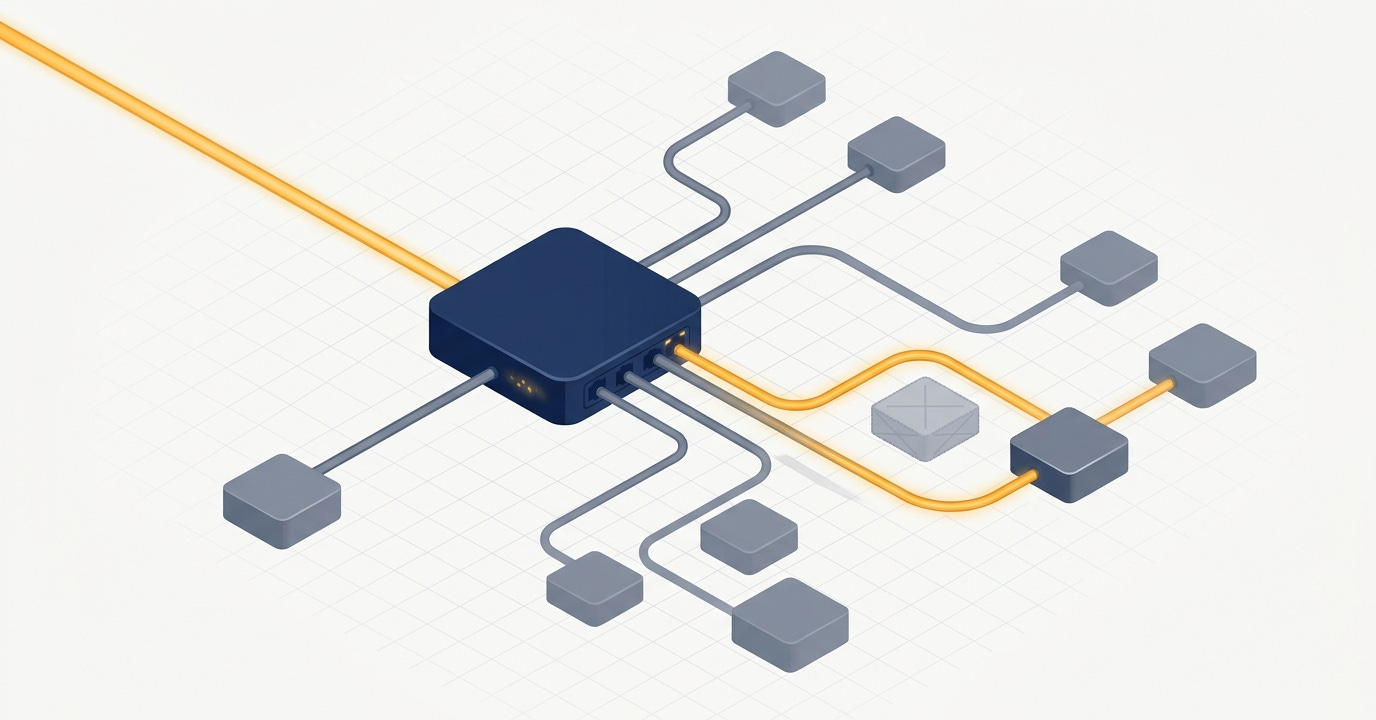
The Scoop: OmniRoute is a self-hosted AI gateway that exposes a single OpenAI-compatible endpoint and routes it to more than 230 providers, 50 of them with free tiers. Point Claude Code, Codex, Cursor or Cline at one local URL and OmniRoute decides which model actually answers.
Why It’s a Big Deal
It reframes model choice as a runtime decision rather than a vendor commitment. If a provider rate-limits, fails, or gets expensive, the request slides to the next model in a fallback chain instead of breaking the workflow.
It is the cleanest answer to lock-in anxiety: one endpoint, your keys, your fallback rules, and no dependence on whichever lab happens to own your coding agent this quarter.
It treats cost as infrastructure rather than an afterthought - stacked token compression and a subscription-first routing tier push spend down without touching the calling code.
Under the Hood
Ships as an npm package, a multi-arch Docker image, and an Electron desktop app; the gateway runs locally at
localhost:20128/v1.Translates between OpenAI, Claude and Gemini API shapes, with circuit breakers, per-provider retries and an optional Qdrant plus sqlite-vec memory layer.
Bundles an MCP server and A2A support, so one gateway serves 24-plus agents through a single integration point. MIT-licensed.
OmniRoute is not just a proxy in front of some APIs - it is a neutrality layer that keeps model choice in the developer’s hands rather than the lab’s.
🔭 ON THE RADAR
Stuff that’s hot and is trending at over 10K stars.
🧠 codebase-memory-mcp (GitHub) 27.5k ☆ - your repo as a local knowledge graph
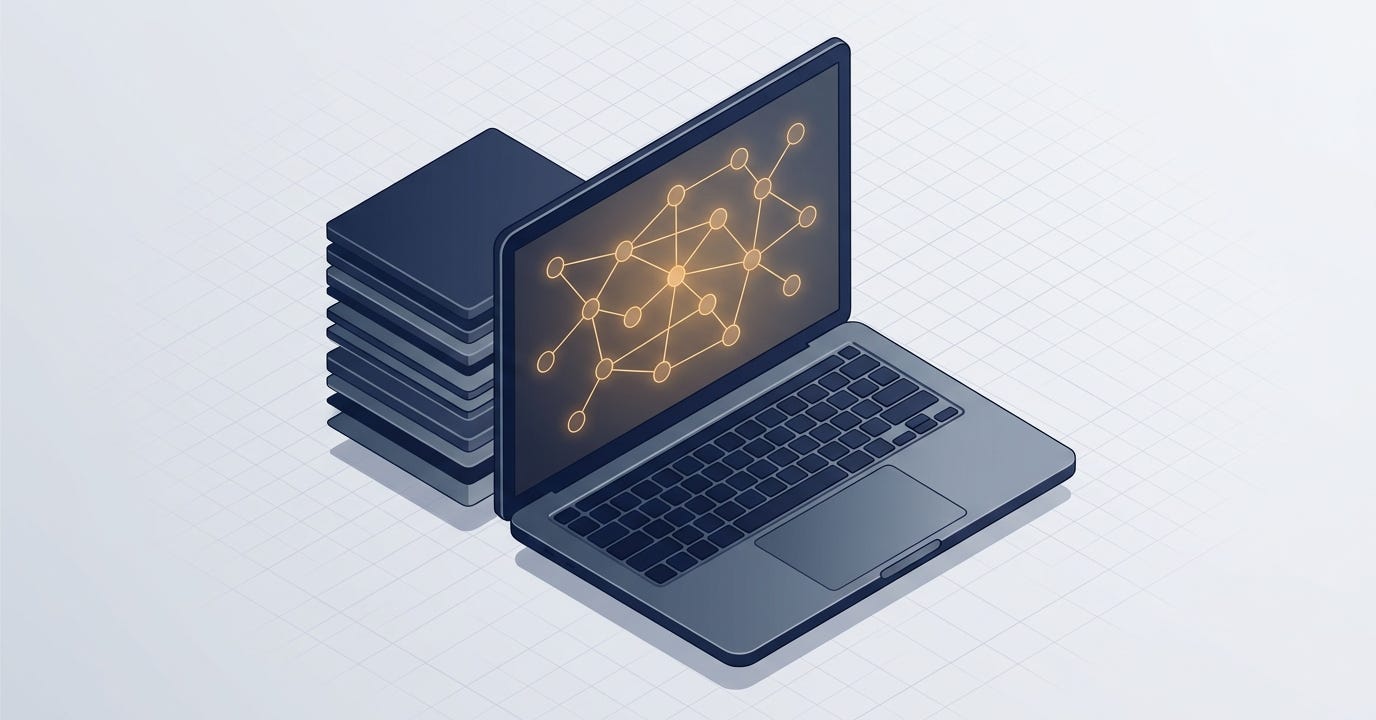
The Scoop: codebase-memory-mcp indexes an entire repository into a persistent knowledge graph with tree-sitter, then serves it to coding agents over MCP. Instead of grepping files one at a time, the agent queries structure - call chains, routes, dependencies - and answers with a fraction of the tokens.
Why It’s a Big Deal
It reframes code context as a graph to traverse rather than a pile of files to re-read, which is where most of an agent’s token budget quietly disappears.
It runs entirely local with zero telemetry - the kind of primitive that gets more appealing exactly as agent vendors consolidate.
It is agent-agnostic by design, wiring itself into eleven assistants from a single install rather than betting on one ecosystem.
Under the Hood
Single static binary, zero runtime dependencies, on macOS, Linux and Windows; tree-sitter grammars for 158 languages compiled in.
RAM-first pipeline with LZ4 compression and in-memory SQLite; claims a full index of the Linux kernel in about three minutes and sub-millisecond queries.
14 MCP tools including call-graph tracing, git-diff impact analysis and dead-code detection; signed releases with SLSA 3 provenance. MIT-licensed.
codebase-memory-mcp shows how agent context is moving below the application layer - into a shared local index any assistant can read.
🎙️ meetily (GitHub) 23.8k ☆ - a meeting notetaker that never leaves your machine

The Scoop: meetily is a self-hosted meeting assistant that records, transcribes and summarizes calls entirely on your own hardware. Transcription runs locally through Whisper or Parakeet; summaries go through Ollama, or your own Claude or Groq key if you prefer.
Why It’s a Big Deal
It puts data ownership first in a category built almost entirely on cloud capture - nothing leaves the device unless you pick a remote model.
It reframes the notetaker as infrastructure you host rather than a SaaS seat you rent, which matters as meeting data quietly becomes training data somewhere upstream.
Bring-your-own-model support means the same app runs fully offline or plugged into a frontier model, without locking you to either.
Under the Hood
Single Tauri application: Rust backend, Next.js frontend; runs on macOS, Windows and Linux.
GPU acceleration via Metal and CoreML on macOS, CUDA and Vulkan elsewhere; reuses whisper.cpp and an ONNX build of Parakeet.
Handles simultaneous mic and system audio with ducking, across 90-plus transcription languages. MIT-licensed Community Edition.
meetily is not just an Otter alternative - it is a bet that the most sensitive data in your day belongs on hardware you control.
🐋 orca (GitHub) 16.4k ☆ - run a fleet of agents on your own subscriptions

The Scoop: orca is an agentic development environment for running coding agents in parallel. Each agent - Claude Code, Codex, OpenCode and others - runs in its own git worktree on your own subscription, and you compare and merge the results from one place.
Why It’s a Big Deal
It reframes the coding agent as something you orchestrate rather than something you are locked into, running several side by side on accounts you already pay for.
Parallel worktrees turn agent choice into an experiment: fan one prompt across models, keep the winner, discard the rest.
The desktop-plus-mobile design signals that agent supervision is becoming its own workflow, not a feature bolted onto an editor.
Under the Hood
Electron desktop app, roughly 97% TypeScript, with a Swift mobile companion; macOS, Windows and Linux.
Agent-agnostic - works with any CLI agent that runs in a terminal, with an account switcher and usage tracking built in.
Scriptable CLI (
orca worktree create,snapshot,click,fill) and a headlessorca servemode for remote servers. MIT-licensed.
orca is a strong example of tooling moving from single-agent apps toward vendor-neutral agent orchestration.
🔬 BELOW THE RADAR
Our hot picks for recent OSS projects to keep a close eye on for the future.
⚡ FlashInfer (GitHub) 5.8k ☆ - the neutral kernel layer under your inference stack
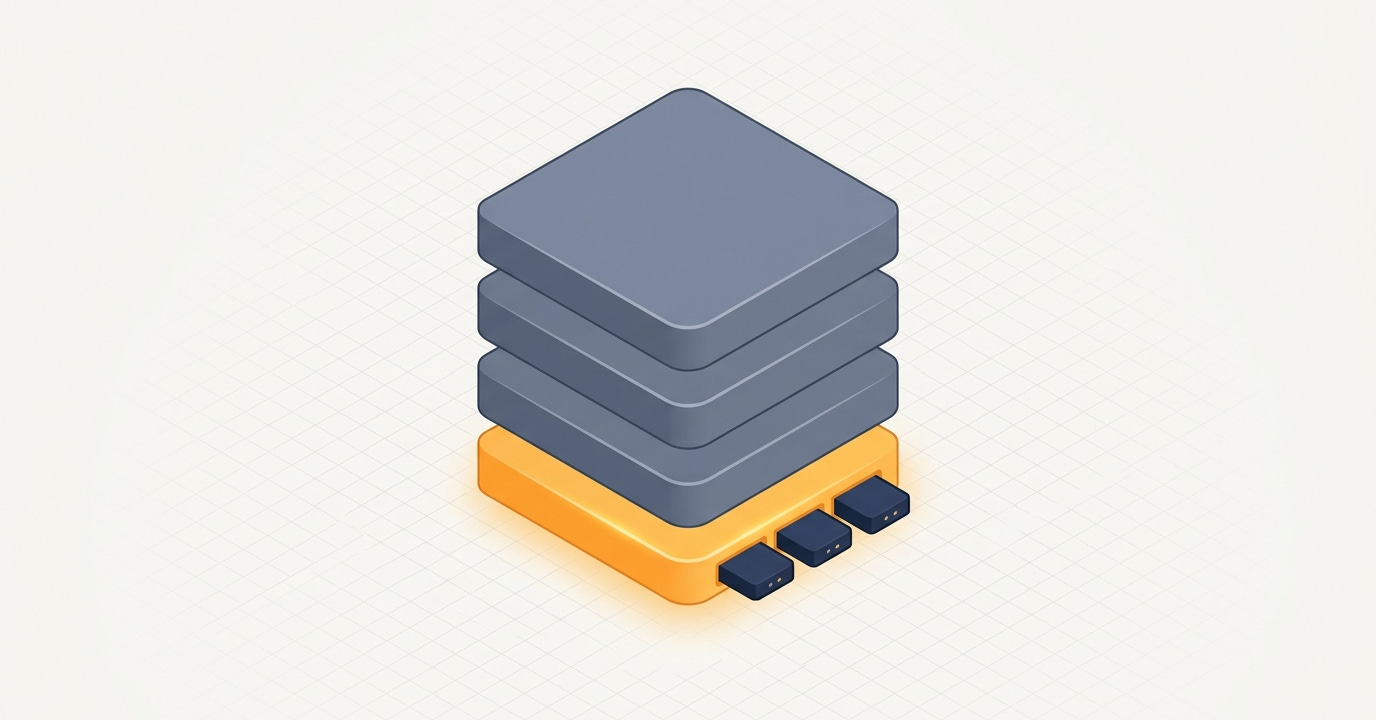
The Scoop: FlashInfer is a GPU kernel library and generator for LLM serving, with unified APIs for attention, GEMM and MoE that auto-select among FlashAttention, cuDNN, CUTLASS and TensorRT-LLM backends. It is the neutral kernel layer now sitting beneath vLLM, SGLang and TensorRT-LLM.
Get started: pip install flashinfer-python
📓 Reor (GitHub) 8.6k ☆ - a private, local-first AI note-taking brain

The Scoop: Reor is a private, local-first personal knowledge management app: every note you write is chunked, embedded and linked to related notes automatically, with RAG-powered Q&A over your own corpus. Models run locally through Ollama by default, or you point it at any OpenAI-compatible endpoint.
Get started: download the desktop app from reorproject.org, then Settings → Add New Local LLM to pull a model through Ollama.
🔌 TanStack AI (GitHub) 2.7k ☆ - a type-safe, provider-agnostic AI SDK

The Scoop: TanStack AI is a type-safe, provider-agnostic TypeScript SDK for chat, tool-calling agents and multimodal apps, with pluggable adapters for OpenAI, Anthropic, Gemini, Ollama and more. It is the TanStack team’s vendor-neutral answer to the Vercel AI SDK.
Get started: pnpm add @tanstack/ai @tanstack/ai-openai
Repository Radar is brought to you by Alexander, a Tech Investor at Keen, and Claudius, the co-founder of Index Labs. In this Substack, we focus on software infrastructure and open-source innovation in AI and beyond, tracking major trends while uncovering the hidden gems shaping the future of technology.