
Repository Radar - PR#5
Keeping an eye on the world of OSS software - one scan at a time


Welcome back to PR#5 of Repository Radar, your go-to pulse check on the latest moves in software infrastructure and open-source innovation. This week, we're spotlighting powerful frameworks for building and orchestrating AI agents, enhanced developer tools, and specialized crawling solutions. Let's dive into what's making waves in the open-source community! 🚀
📡 ABOVE THE RADAR (aka the BFD)
In “above the radar” we take a look at some of the big splash software infrastructure announcements and go on the hunt for OSS that are similar.
The AI landscape continues to evolve at breakneck speed, with major players releasing significant updates that are reshaping the industry.
Alibaba Cloud has launched Qwen2.5-Omni-7B, a compact multimodal AI model capable of processing text, images, audio, and video inputs while generating real-time responses in both text and natural speech. Deployable on mobile devices and laptops, this model is designed to power "agile, cost-effective AI agents" for use cases ranging from assisting visually impaired users to intelligent customer service. The company has open-sourced it on both Hugging Face and GitHub, and reports indicate Alibaba plans to release an upgraded Qwen 3 model in late April, further intensifying competition in the field.
Meanwhile, Google has entered the "winner-take-all" AI model race with Gemini 2.5, described as a "thinking model" that improves response accuracy by processing information more deeply before answering. This latest release focuses on complex reasoning and AI agent capabilities across multiple platforms, positioning Google to compete with recent releases from OpenAI, Anthropic, and emerging players like DeepSeek.
The push for standardization is gaining momentum as OpenAI officially adopts the Model Context Protocol (MCP), setting new standards for how AI systems access and interact with external data sources. This move highlights the importance of frameworks like MCP, which make AI systems more scalable and efficient. The growing ecosystem around MCP is evident in projects like Playwright MCP, which enables LLMs to interact with web interfaces deterministically.
On the funding front, open-source automation pioneer n8n has raised $60 million to bring AI-powered workflow automation to the forefront, signaling growing interest in streamlining operations with AI. These investments, combined with tools like Amazon Alexa Fund expanding its scope to include AI investments, indicate the industry's trajectory toward more integrated, capable, and accessible AI solutions.
🦾 crewAI (GitHub) 29.4k ☆ - Fast and Flexible Multi-Agent Automation Framework
The Scoop: CrewAI is an open-source Python framework purpose-built for orchestrating autonomous AI agents in real-world, production-grade environments. Unlike LangChain-based tools, CrewAI is lean, fast, and fully independent - offering a clean architecture that separates agent collaboration ("Crews") from fine-grained task orchestration ("Flows"). Whether you’re building a trip planner, research assistant, or complex enterprise automation, CrewAI gives you full control without the bloat.
Why It's a Big Deal
Built from scratch, with zero dependencies on LangChain or other agent frameworks. Optimized for performance and minimal resource usage.
"Crews" support dynamic agent collaboration, while "Flows" provide precise event-driven logic. You can combine them to build sophisticated, scalable automations.
Define agent roles, prompts, and task logic in YAML or Python. Modify behavior at both high and low levels without hitting abstraction walls.
Built-in CLI, clear project structure, and support for local and cloud deployment make it enterprise-friendly out of the box.
Includes a centralized Control Plane for observability, monitoring, integrations, security, and compliance - available for free to try.
Backed by a thriving community of over 100,000 trained devs, complete with detailed tutorials, examples, and docs.
Under the Hood
Fully Python-native with support for modern dependency management (UV).
CLI for rapid project scaffolding with “crewai create crew <project_name>”.
Modular YAML configs for agents and tasks.
Seamless integration with OpenAI, Serper, Ollama, and other models or tools.
Robust telemetry controls; data privacy-first by default.
Compatible with both sequential and hierarchical task execution.
CrewAI is an open-source framework that helps deploy multi-agent AI systems with better control and efficiency. As AI agent systems grow more complex, CrewAI provides a flexible yet standardized foundation for researchers, developers, and companies to build advanced automation systems that work reliably in production environments.
🔭 ON THE RADAR
Stuff that’s hot and is trending at over 10K stars.
🖱️ avante.nvim (GitHub) 12.1k ☆ - Use your Neovim like using Cursor AI IDE!

The Scoop: avante.nvim is a powerful Neovim plugin that brings AI-driven code assistance directly into your editor, emulating the Cursor AI IDE experience. It provides seamless interaction with AI models for code suggestions, improvements, and analysis, all within the familiar Neovim environment.
Why It's a Big Deal
Transforms Neovim into an AI-powered coding environment with intelligent code suggestions and modifications
Offers tight integration with high-quality LLM providers like Claude and OpenAI for superior code generation
Provides one-click application of AI-suggested changes, streamlining the editing workflow
Features a customizable sidebar and intuitive UI for effortless AI interaction
Supports RAG (Retrieval-Augmented Generation) for enhanced context-aware code assistance
Implements "Cursor planning mode" to improve compatibility with various models beyond Claude
Includes web search capabilities, custom tools, and extensive configuration options
Under the Hood
Built primarily in Lua (75.5%) with Rust (11.6%) and Python (8.1%) components for optimal performance
Supports multiple AI providers with first-class support for OpenAI, Claude, and Ollama
Includes RAG service capability for improved code context understanding
Features Claude Text Editor Tool Mode for enhanced editing experience with compatible models
Provides customizable prompts through a templating system with Jinja
Compatible with various plugin managers including lazy.nvim, vim-plug, and Packer
Requires Neovim v0.10+ to leverage advanced editor capabilities
avante.nvim transforms Neovim into an AI-powered coding environment similar to Cursor AI IDE. It integrates with high-quality LLM providers like Claude and OpenAI, offers one-click application of AI suggestions, and features a customizable sidebar UI. Built in Lua, Rust, and Python, it supports RAG for context-aware code assistance, implements "Cursor planning mode" for compatibility with various models, and requires Neovim v0.10+.
📚 Agno (GitHub) 23.5k ☆ - Lightweight Library for Multimodal Agents
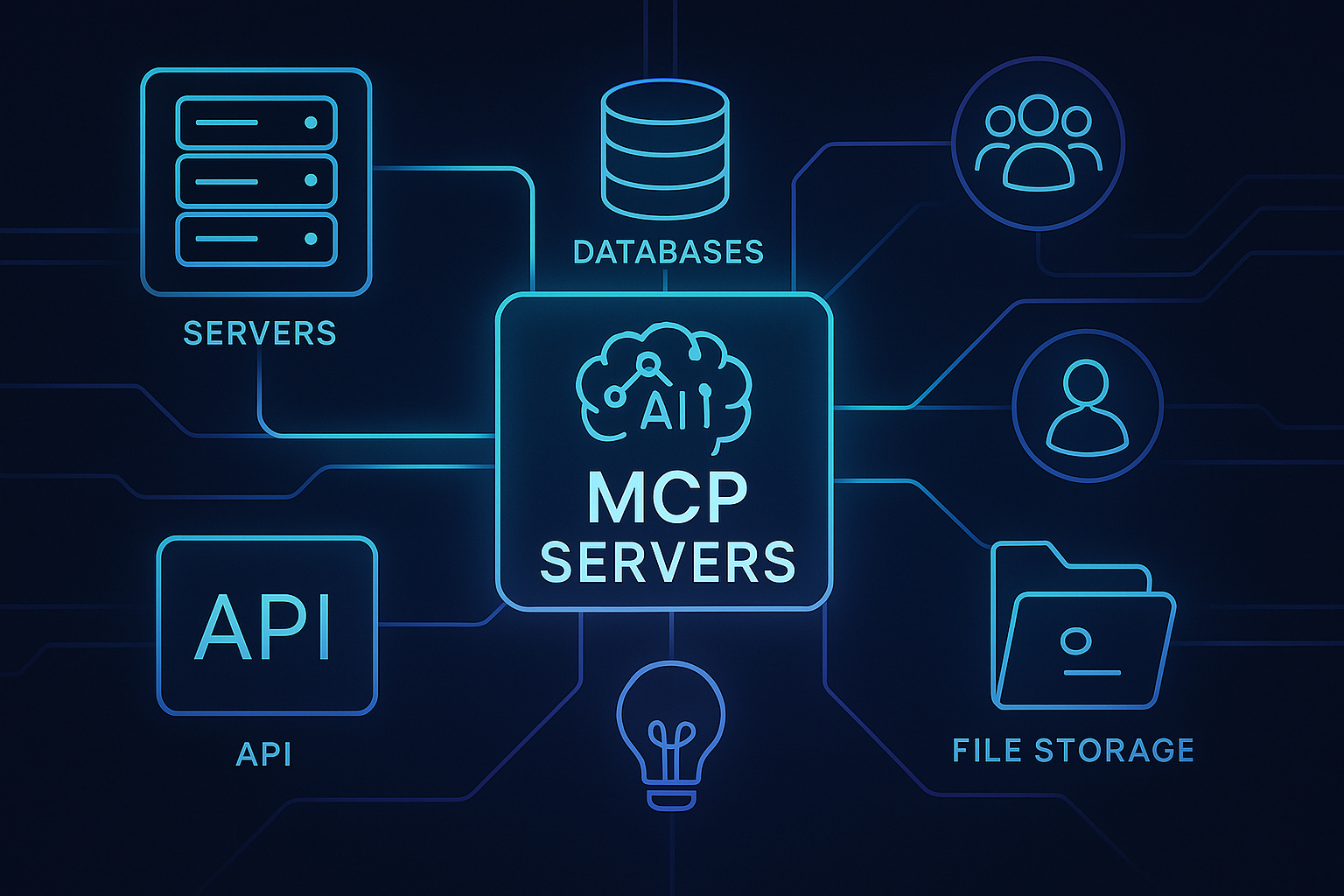
The Scoop: Agno is an open-source Python library for building multimodal AI agents that exposes LLMs through a unified API while adding powerful capabilities like memory, knowledge, tools, and reasoning. It's designed for high performance, with a focus on efficiency and scalability for building sophisticated AI systems.
Why It's a Big Deal
Creates lightning-fast multimodal agents capable of generating text, image, audio, and video content
Delivers remarkable performance - agent instantiation is ~10,000x faster than LangGraph with ~50x less memory usage
Provides model-agnostic design allowing you to use any LLM provider without vendor lock-in
Enables the creation of agent teams with specialized capabilities working together on complex tasks
Offers built-in vector database integration for knowledge storage and retrieval (Agentic RAG)
Supports real-time monitoring of agent sessions and performance
Under the Hood
Implements a unified API for various LLM providers while maintaining a lightweight footprint
Features a tiered approach to agent capabilities, from basic inference to specialized agent teams
Includes tool integration for web search, financial data retrieval, and more out of the box
Provides systems for memory management, knowledge storage, and structured outputs
Designed with performance as a priority - crucial for scaling to thousands of agent instances
Agno is a high-performance Python library for building multimodal AI agents that can generate text, image, audio, and video content. It boasts impressive performance metrics - approximately 10,000x faster agent instantiation than LangGraph with 50x less memory usage. The model-agnostic design prevents vendor lock-in, while supporting agent teams with specialized capabilities, built-in vector database integration, and real-time monitoring through agno.com.
🕷️ crawl4ai (GitHub) 35.6k ☆ - Open-source LLM Friendly Web Crawler & Scraper
The Scoop: Crawl4AI is an open-source, high-performance web crawler and scraper specifically designed for LLMs, AI agents, and data pipelines. It intelligently generates clean, structured data tailored for RAG systems and fine-tuning applications, with a focus on speed, flexibility, and seamless deployment.
Why It's a Big Deal
Optimized for LLMs with smart, concise Markdown generation for RAG and fine-tuning workflows
Delivers blazing-fast performance - 6x faster with real-time, cost-efficient processing
Features Deep Crawling with BFS/DFS/BestFirst traversal strategies to explore websites comprehensively
Provides flexible browser control with session management, proxies, and custom hooks
Includes memory-adaptive dispatching that dynamically adjusts concurrency based on system resources
Offers multiple crawling strategies (Playwright browser-based and HTTP-only) for different use cases
Completely open-source with no API keys required - ready for Docker and cloud integration
Supports CLI interface for convenient terminal access alongside the Python API
Under the Hood
Written primarily in Python (98.8%) with a focus on performance and scalability
Includes browser-based JavaScript execution for modern web applications
Features intelligent heuristic algorithms for efficient data extraction without relying on costly LLMs
Implements proxy rotation with built-in RoundRobinProxyStrategy for handling IP blocks
Provides PDF processing capabilities for extracting text, images, and metadata
Respects robots.txt compliance while offering advanced features like URL redirection tracking
Offers Docker deployment with FastAPI server providing streaming/non-streaming endpoints
Maintains comprehensive documentation and a growing collection of advanced usage examples
crawl4ai is optimized for LLM applications, generating clean, structured data in Markdown format for RAG systems and fine-tuning. This high-performance crawler operates 6x faster than alternatives with adaptive resource utilization. It supports deep crawling with multiple traversal strategies (BFS/DFS/BestFirst), flexible browser control, and intelligent data extraction. Completely open-source with no API keys required, it's ready for Docker deployment and includes both Python and CLI interfaces.
🔬 BELOW THE RADAR
Our hot picks for recent OSS projects to keep a close eye on for the future.
🔧 Playwright MCP (GitHub) 5.1k ☆ - Browser Automation for LLMs
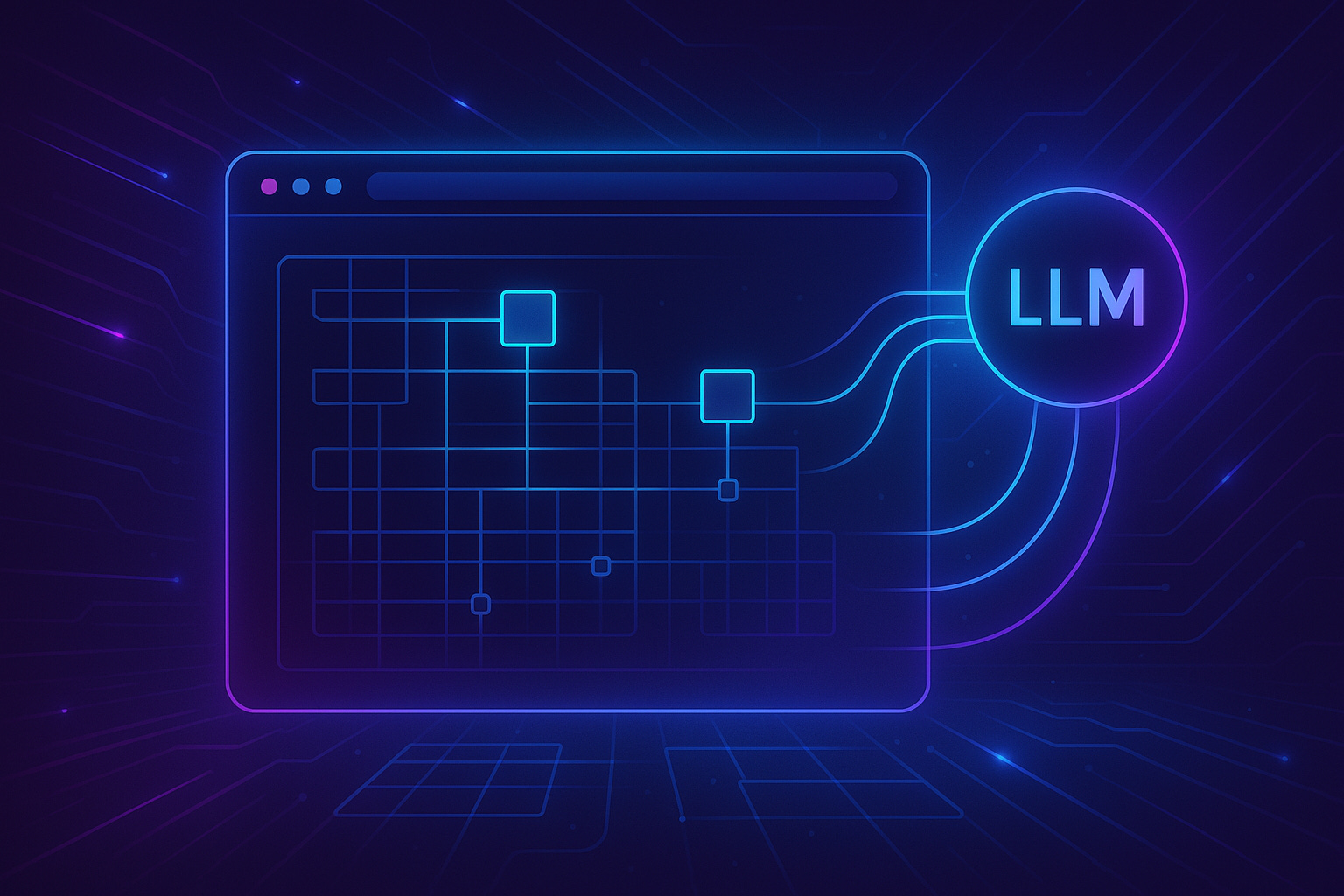
The Scoop: Playwright MCP is a Model Context Protocol (MCP) server built for browser automation using Playwright’s accessibility tree. This tool enables Large Language Models (LLMs) to interact with web pages without relying on pixel-based inputs, streamlining web interactions in a deterministic way.
Requirements:
Node.js (v16 or higher)
Playwright package
Get started: Clone the repository and quickly set up Playwright MCP for browser automation:
git clone https://github.com/microsoft/playwright-mcp.git
cd playwright-mcp
npm install
npm start
⚙️ AgentOps (GitHub) 4.1k ☆ - AI Agent Monitoring and Management
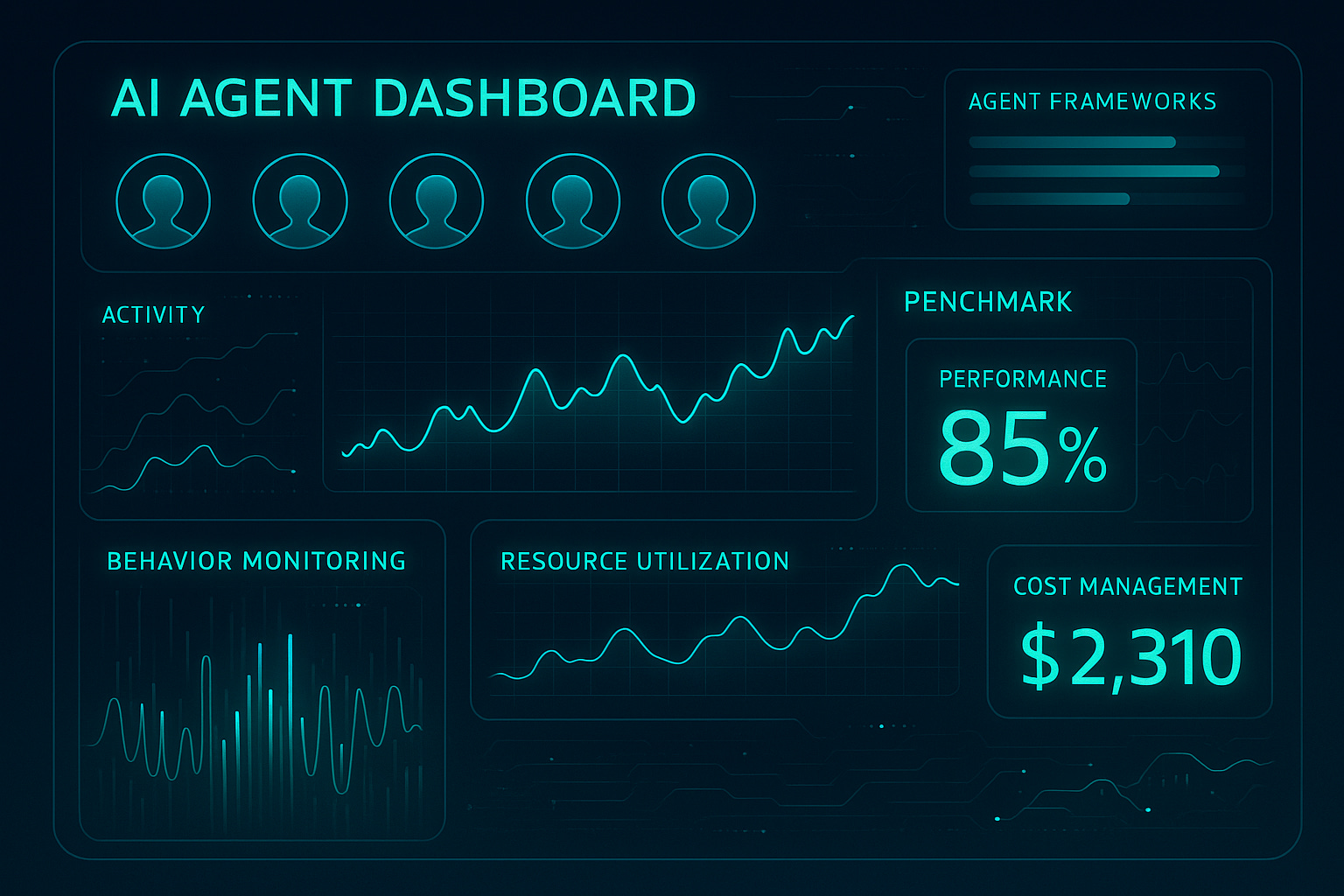
The Scoop: AgentOps is a Python SDK designed to track AI agent activities, benchmark performance, and manage costs associated with Large Language Models (LLMs). It integrates with various agent frameworks, providing detailed insights into agent behavior and resource utilization.
Requirements:
Python 3.7 or higher
pip (for installing Python packages)
Get started: Install AgentOps and start monitoring and managing your AI agents:
pip install agentops🧭 Latitude (GitHub) 1.9k ☆ - Open-Source Prompt Engineering Platform

The Scoop: Latitude is a collaborative platform for building, testing, and evaluating LLM prompts at scale. It replaces messy prompt spaghetti in code with a clean UI, version control, built-in evaluations, and analytics. Latitude helps teams ship AI features faster - with confidence and control. Use it via a fully managed cloud or self-host on your own infra.
Get started: Either start directly in the Cloud or start self-hosting with the commands below:
git clone https://github.com/latitude-dev/latitude-llm.git
cd latitude-llm
pip install -e .
latitude run examples/base_rag.yaml
Repository Radar is brought to you by Alexander, a Partner at Picus Capital, and Claudius, an Investor there. In this Substack, we focus on software infrastructure and open-source innovation in AI and beyond, tracking major trends while uncovering the hidden gems shaping the future of technology.